

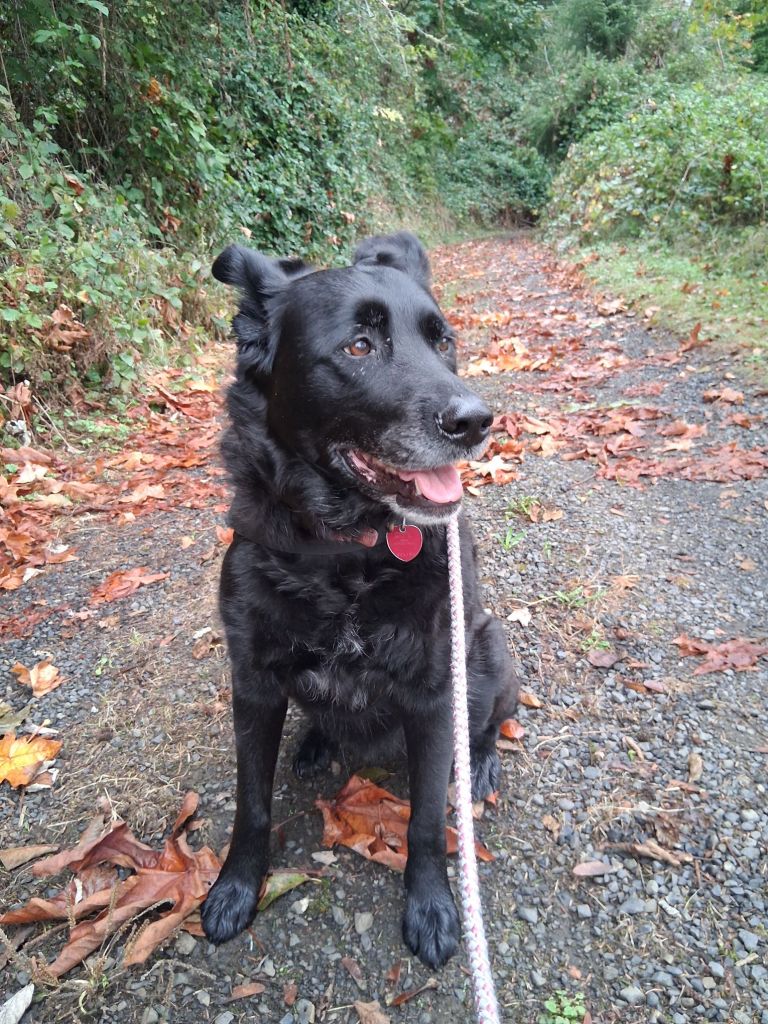
Kimber the Magnificent here. Mom can’t come to the blog right now. Something about a screaming smoke detector and an oven spewing flames.
While Mom’s otherwise engaged, can we talk? Like, about books written with AI?
Good. Cuz our review request inbox has been looking less like a literary sanctuary and more like a sci-fi convention lately. Until just recently we were getting flooded with books that smell suspiciously like silicon, algorithmically optimized plots, and adjectives that no human has used since 1856.
So, let’s answer the question on everyone’s mind — and by everyone, we mean authors trying to generate The Great American Novel over their coffee break or write the next Middle Earth trilogy during their lunch hour: Do we review books written by AI?
The short answer: Naw. Longer answer: Hmmmm.
We get it, okay? Why spend years tilting at windmills, grappling with quixotic characters or testy transitions and the like when you can just type “Write a story of an elderly Spanish gentleman who goes mad from reading chivalric romances and believes he is a heroic knight” into a prompt box and hit enter? Easy-peasy. And there’s the rub. Or the windmill.
When we sit down to review a book, we’re looking for a soul. Evidence of genuine human effort. Creativity. Heart. Originality.

Keeping that in mind, here’s why ChatGPT won’t be getting a star rating from us anytime soon:
1. Algorithms ain’t “folks”
A computer can mimic sorrow, but I’m pretty sure it’s never stared at a ceiling at 2:00 a.m. wondering how a protagonist will overcome heartbreak, a wicked stepmother, or too much month at the end of the moola. We want authentic human emotion and genuine responses, not a statistical probability of what sadness looks like.
2. Predictable Patterns
AI is great at patterns. You know what else is great at patterns? Punch cards and knitting machines. Most AI-generated books read like an autocomplete sequence that got out of hand and refused to apologize. Like someone rounded up the most average sentences on the internet, tossed them into a blender, and had a toddler glue them back together. Or a Hallmark movie without the connective tissue of actual human intuition or emotion. (Kinda like the neighborhood fluff ball. But that’s another story.)
3. We prefer bravery
Writing a book is an act of bravery. It’s putting a piece of your heart and brain on paper and letting strangers judge it. Copy-pasting a prompt is an act of data management. Mom and I? We’re book reviewers, not prompt engineer detectives. (Although I must say we’re pretty good at both. So there!)
4. Think Again
Well. Think you can sneak one past us? Think again, Buttercup. We can spot AI-ish “His breath hitched” or “Her heart skipped a beat” a mile away. Ditto overused literay cliches: It was not a mere house—it was a tapestry of memories pulsing like a heartbeat in the quiet landscape. And filler verbs: Delve, embark, navigate. And if your characters spend half the book “smiling enigmatically” while navigating a plot that seems logical but is as hollow as a chocolate Easter bunny, you’ve just tripped our AI alarm. And that book is likely to join the rest of the rejects in our voluminous and ever-growing DNF pile. Think Mount Rushmore. Or all the tea in China.

5. The Biggie
Yes, AI can be helpful in organizing ideas. Research. Brainstorming, outlining, or charting plot possibilities and the like. But using Perplexity or Sudowrite to generate entire scenes, chapters, or a complete first draft? Get. Real.
We’re looking for authors who demonstrate significant creative input and control of their work rather than handing it off to AI. Way we see it, authors who rely on Type.ai or Claude and the like to write their books are an insult to authors who are The Real Deal. Who labor over sentence syntax, pacing, characterizations, conflict, dialogue and story arcs. Who treat every paragraph like it’s the sister of The Sistine Ceiling. Who agonize over 6,745 word choices or whether to deploy the Oxford comma or not.
Besides. AI isn’t you. That matters. In fact, more and more book contracts are starting to include language certifying that the manuscript is original to the author. Cuz guess what, Toots? AI-generated material is not considered “original authorship.” That matters, too.
Cranking out books written with artificial intelligence may be quick and easy. But depending on usage, AI writing is cheating as far as we’re concerned. Rather than offering your unique view, thoughts, and voice, AI outputs are generic mashups of pre-existing works. So relying on AI may make you a quick writer, even a prolific one. You may even sell a lot of AI written books. But again, if AI overtakes human input and creative control, is it authentic writing? We say No. Cuz it’s not wholly, soul-ly human you. So. Not. Impressed. Tip (Throwin’ this in for free): Put in the time time and effort to develop your writing muscles and do the heavy lifting yourself, Cookie. Then we’ll talk, okay?

Exception: We may consider an AI written book IF the author lets us know up front that they’ve incorporated AI outputs and how much. Other than that? Sayanora, baby!
To Human Authors:
To the writers out there currently staring at a blank screen or page, rewriting the same paragraph for the nineteenth time: Keep going. Keep writing. Keep editing, revising, and rewriting. Your authentic, unfiltered humanity are exactly what we want to read. We want your voice. Your creativity. Your fingerprint on every page. Got that, Babe?
Thusly, our TBR pile is reserved for living, breathing human writers who know the difference between genuine crispy bacon and the fake stuff. Ya follow, Sugar?
Kimber: Now if I can just remember where I stashed the fire extinguisher… Just kiddin’… Kind of…
For more, see: Author Best Practices.

