Pages & Paws

Writing, Reading, and Rural Life With a Border Collie


2 Comments

From Home Plate to Hardwood to End Zone: ‘Why Is Everyone Cheering?’ Scores

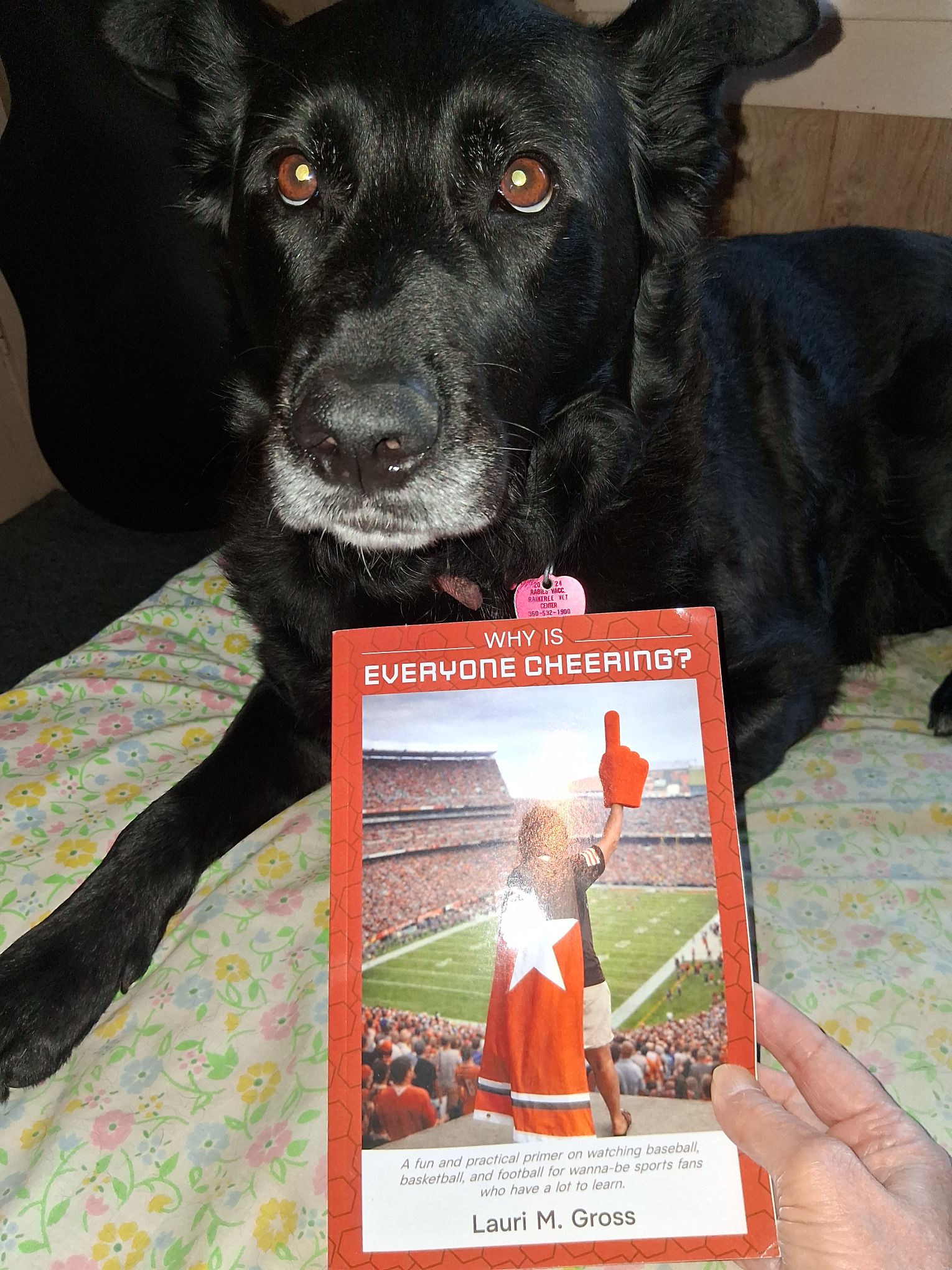
Why Is Everyone Cheering?

By Lauri M. Gross (Indie author, 2026)

Pages (print): 159, including Index)

Genre: Non-fiction – Sports

Via: Author Request

Note: We received a complimentary copy of this book for honest review.
Don’t know a touchdown from a hoedown? An infield fly from a house fly? A “can of corn” from a cob of corn? Never fear. Why Is Everyone Cheering? is here to help you sort out the basics of three primo sports: Baseball, football, and basketball.

A confession: We’re not big fans of football or basketball. Except when the L.A. Lakers beat the Boston Celtics for the 1984–85 NBA Championship. Or when the Seahawks (finally) won the Super Bowl. But let’s not get picky here, okay?

So, hey. Our house is a baseball house. Like, Go Dodgers!! Three-peat, baby!

Wait. Where were we?

Oh yeah. Why Is Everyone Cheering?

Well. Even if you’re not a huge sports aficionado or one of those super annoying types who can spout batting averages, rushing yards, or most assists in a game over the last century, there’s a lot in this book that’s worthwhile. And it’s written so that your average non-sports expert can understand it and enjoy each sport a little more in the process. (Go, Ohtani!)

In terms of formatting, each chapter opens with Assumptions, a Recommended Movie List (Where is Field of Dreams? Did I miss that)? and some Basics about the Season. (Go, Betts!)

This book has five chapters. Chapter 1 is Baseball (of course). Chapter 2 is Football. Chapter 3 is Basketball. Chapter 4 is Quiz Answers. Chapter 5 is Bonus Material and Reflections. Each chapter includes a quiz on each sport (Kimber: Mom like, totally aced all of them. So there!)

The author offers readers fun and practical tools for seeing and understanding more of what’s happening in each sport. It also helps us understand more of what officials, sportscasters, and analysts (who are these people?) are saying. The text is uncomplicated. Uncluttered. It helps readers “gain knowledge and insight that will allow them to know what they are watching and enjoy the game.” Lots of photos, illustrations, charts and diagrams are included to help readers grasp key concepts. Each section/sport is well-organized and easy to follow. The text is broken down into small bite-sized pieces that are easy to digest. (Go, Freeman!)

We especially liked the way the author doesn‘t assume that every non-sports expert is a moron. Or the neighborhood fluff ball. Which are pretty much the same thing. Instead, she treats readers with respect while providing lots of insight and interesting tips, tidbits, and factoids about the who, what, when, where, why, and how of each sport. (Go, Yamamoto! What?)

For example, the football chapter explains how the game is played. How the ball is moved. How downs are awarded. Pick six. Scrambles. Special teams. Offense, defense. Pockets. Sacks. (Glad we’re not the only ones who don’t get “pass interference.”)

The chapter on basketball notes that much of the on-court action is a whole lot faster than football or baseball. Also, the site of the action – the basketball court – is much smaller than a baseball diamond or a football gridiron. Basketball players move quickly. So, Pay Attention, class! There’s also the endless squeak of sneakers on hardwood. No hats or helmet like in the other two sports. Basketball jerseys sporting city nicknames. Close encounters with fans!  “Small ball” and “bigs.” Alley-oop. Wing span. Lots more.

Thankfully, this isn’t one of those cram-your-head-full-of-sports-stats books. Nopers. Why Is Everyone Cheering? is as sunny as a lemonade stand on a summer day. Or a walk-off homer in the bottom of the ninth with the bases loaded.

Tip: Lighthearted, engaging, and down-to-earth, this book can easily be read in a single sitting. Or an afternoon. Don’t. Best to read it in chunks by sports season. Give it a chance to settle in and marinate. (We read this book shortly after the Dodgers clinched the NL West. So, Go Blue!)

Mom: Now if I can just find my official Dodgers rally cap.

Kimber (rolling her eyes): Mom, you only have like, a million.

Mom: C’mon, Kimster. You can never have too much Dodgers anything. Expect maybe that fourth Dodger dog…

Our Rating: 3.5


2 Comments

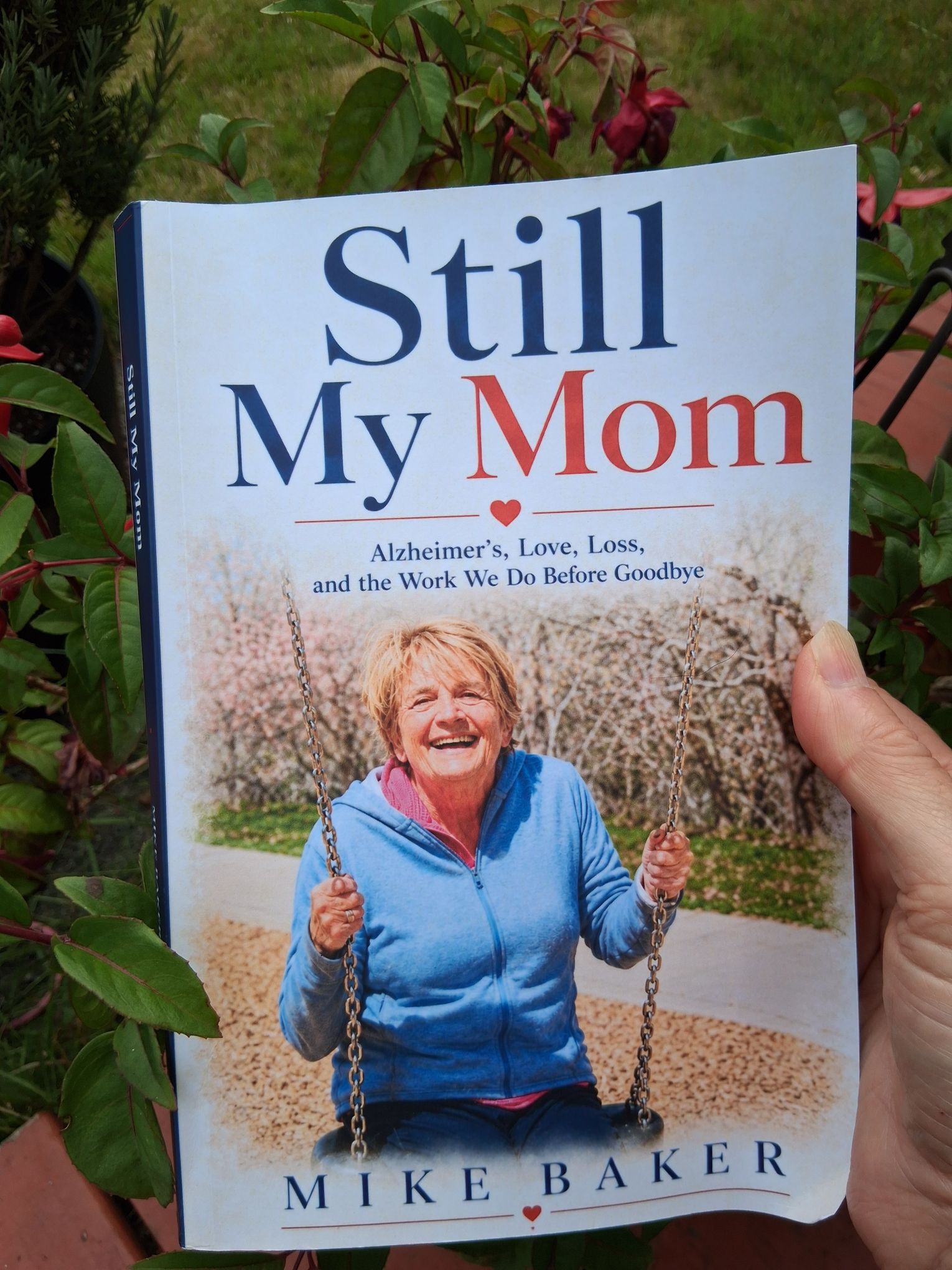
‘Still My Mom’: A Heartfelt Memoir on Alzheimer’s, Family Ties, and Unending Love

Still My Mom

Alzheimer’s Love, Loss, and the Work We Do Before Goodbye

By Mike Baker (Indie author, 2026)

Genre: Non-fiction

Via: Author request

Pages (Print): 272, including an extensive list of relevant Resources and poem, The Love It Couldn’t Take

Note: We received a complimentary copy of this book for honest review.

Some goodbyes take years. Love keeps showing up anyway.

When Mike Baker’s mom was diagnosed with Alzheimer’s, his family entered a goodbye they were not ready for. The disease reached for her memory, her words, her confidence, and the ordinary rhythm of the life she had built. It also reached everyone who loved her.

Still My Mom is a raw, tender, and honest memoir about loving someone through Alzheimer’s. It is about grief that arrives before death, the strange ache of missing someone who is still here, and the work families do when the person they love begins to change.

Written with warmth, faith, humor, and deep affection, this book speaks to the families living in the long goodbye. It holds space for the hard parts of Alzheimer’s and dementia: the confusion, the guilt, the exhaustion, the grief, and the ache of wanting more time. It also honors the small moments that remain: a laugh, a look, a familiar touch, a story, a memory held by someone else when the person you love no longer holds it the same way.

This book is for families walking the Alzheimer’s road, caregivers carrying quiet grief, sons and daughters trying to show up, spouses learning a new version of love, and anyone who still has love to give before goodbye.

Perhaps the first thing you need to know about this book is that at its core, it’s a love letter. Still My Mom evokes intimacy, tenderness, and the bittersweet nature of the work done in the face of Alzheimer’s. It’s real and it’s raw. It pulls no punches about the realities of this devastating disease and how it effects friends and family members. Pages reflect grief and loss as well as hope, gratitude, and a quiet strength and grace.

The author describes this memoir as “A caregiving book written by someone who was doing the caregiving, not studying it. No clinical framework, no stages, no advice about self-care.” He’s spot-on. And that matters. Because Still My Mom isn’t a medical journal. It isn’t a clinical list of, “When you see this, do that.” It doesn’t walk you through labyrinthian mazes of “doctor-ese” – although it does note how skillful, truthful, and compassionate communication with healthcare professionals makes a difference. It’s highly readable, briskly paced, and written in clear language that’s easy to understand.

The text is divided into five main sections: Part One: Before the Disease Gets the Story. Part Two: The Work While There Is Still Time. Part Three: Caregiving Changes Everything. Part Four: The Hard End-of-Life Work. Part Five: After Goodbye. Also included is a Note to the Reader, a How to Use This Book section and a Bonus Chapter: The Work to Do Before the Mind Is Gone. (Dont miss this.) We appreciated the emphasis on caring for the caregiver and the warm family tone (“G’night John-Boy”).

The formatting is a little odd, with ragged right margins instead of full justified. Paragraphs appear in blocks and aren’t indented. But this doesn’t diminish the narrative, which unfolds smoothly and naturally.

Packed with practical advice and insight from someone who’s been there, each section and chapter is honest and forthright. But they also give you room to breathe. To be kind to yourself and your loved one. That matters, too. More on that in a min.

Frankly, we had a hard time with this book. It’s not an easy read. It’s not meant to be. So we could only handle a few pages at a time. (Kimber: That’s pretty unusual around here, bub. It’s almost like me eating a nice, thick juicy flank steak one bite at a time.)

This book is intense. It’s emotional. Incredibly thorough. Exceptionally well organized. Heartfelt. Eloquent and articulate. Beautifully written. Searingly honest and authentic. But there were times when we had to put it down. Walk away. Take some deep breaths.

And you know what? That’s okay. In fact, the author acknowledges that that’s okay.

Yea, verily. Alzheimer’s isn’t an easy subject. And Still My Mom isn’t a coffee table type book of the light and fluffy, lemon meringue variety. It’s heavy. But it also offers a way through the fog of initial diagnosis to final days. It counters fear, panic, confusion and uncertainty with clear, easy-to-understand language. Suggestions. Examples. It opens a way forward. Suggests a road through. And most of all, it offers a gentle breath of kindness and understanding with the constant reassurance of one vital, over-arching message: Alzheimer’s is tough. But you are not alone in the battle.

So again, Still My Mom isn’t an easy read. But it’s a good one, a garden where every sentence blooms with love. Indeed, the tenderness in these pages clings like sunlight to morning dew, refusing to let go even as the temperature climbs.

Bonus points: Every chapter wraps up with a Before the Next Hard Day section. This offers some concrete ideas for steps to take when a loved one is diagnosed with Alzheimer’s.

Carrying love forward from page one to the very end, Still My Mom had one of us reaching for tissue more than once. (Kimber: I’m advising Mom to buy stock in Kleenex. Not that she ever listens to me. But you never know.)

Finally, if love could shine through ink, the pages of Still My Mom would glow.

Our Rating: 4.5


Leave a comment

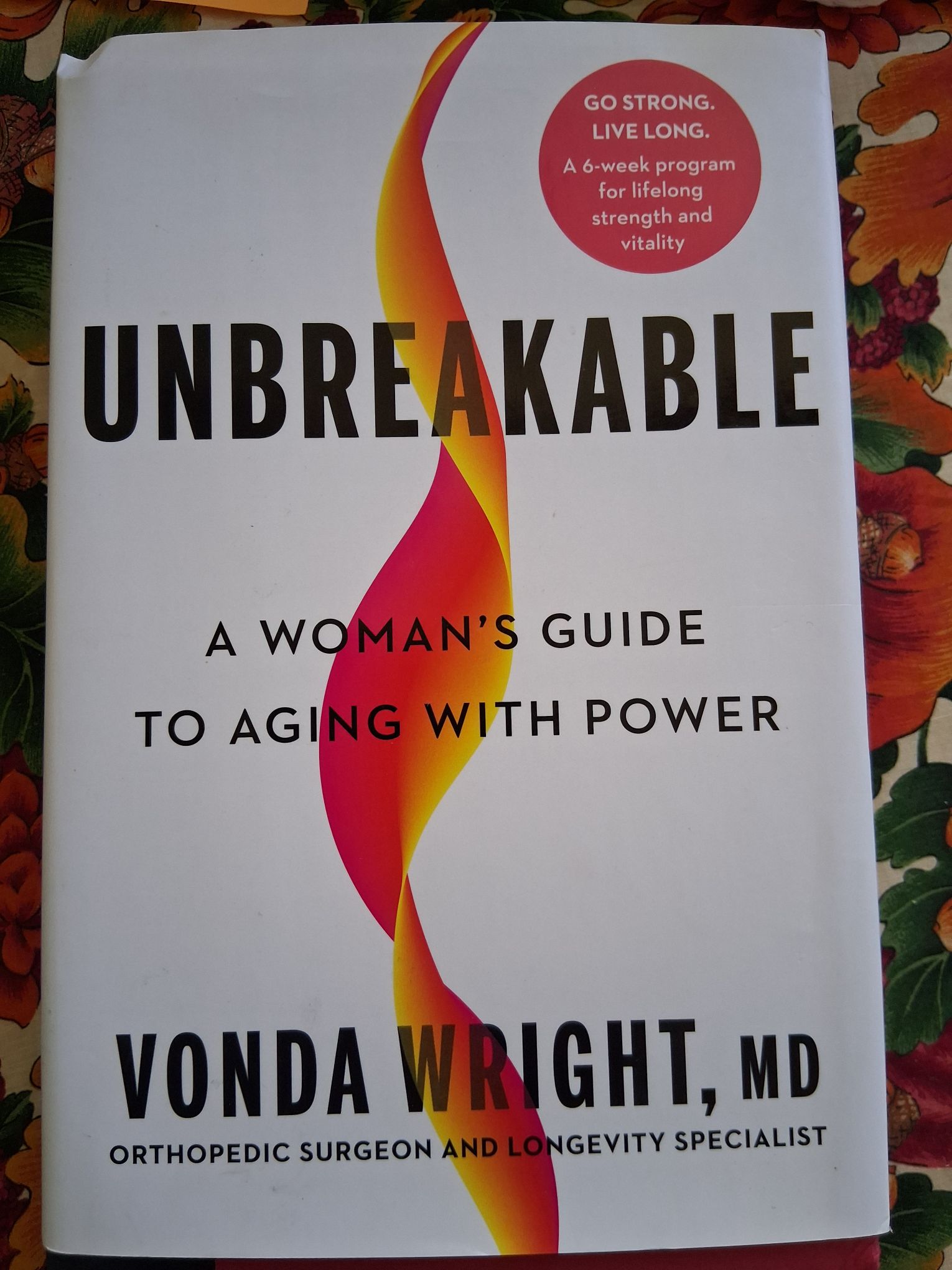
“Unbreakable”: Empowering Aging or Overhyped?

Unbreakable: A Woman’s Guide to Aging With Power

By Vonda Wright, MD

Genre: Nonfiction/Health

Pages (print): 231. Plus Three Appendices – Exercise Protocols, Dr. Vonda’s Dinner System and Favorite Unbreakable Recipes, Unbreakable Strategies for Managing Pain and Injury/. And References + and Index

Via: Library

This is one of those woo-hoo! books that everybody and their neighbor’s fluff ball are raving about. Like we care. In fact, we almost bought stock in No Doze to keep us awake plowing through this clunker. It’s one of the most over-hyped thing-a-mah-jigs we’ve ever read. Here’s why:

Read more: “Unbreakable”: Empowering Aging or Overhyped?

Written by an orthopedic surgeon and “longevity specialist” – whatever that means – this book claims it’s for all women wanting to live their best life long into their senior years. It’s especially helpful for postmenopausal women and offers “A 6-week program for lifelong strength and vitality.” It’s presented in three sections: 1) Preparing for Your Unbreakable Future; 2) Building Your Unbreakable Future; 3) Beyond Unbreakable. (Assessing Mitrochrondial Health. Kloto Levels. Exosomes and Placental Material. Mesenchymal Stem Cells. Plasamapheresis. About nine million different types of “therapies.” Zzzzzzzz.)

It’s dull as dirt.

It includes tons of medical and physiological info that gets pretty technical pretty fast. It offers 20 pages of healthy, nutritious recipes. Samples: Tuna and Zucchini Burgers. Balsamic Veggie and Beet Hummus Sandwich. Air Fryer Honey Mustard Salmon.

A big issue we had with this book is in Part Two: Building Your Unbreakable Future. The author uses an exercise acronym FACE. Flexibility/Mobility, Aerobic Activity, Carrying a Load and Equilibrium and Footspeed. Several of the exercises described are difficult to visualize and execute properly without illustrations. This section has none. Also, the author seems to assume that everyone has access to a gym, personal trainer, or physical therapist. Not.

The quantity, intensity and sheer volume of exercise sessions – sometimes 30 to 45 minutes with “10 minutes of light jogging or cycling” with “static stretching afterwards” – may be daunting to the point of overwhelming. Especially for beginners. For example, the “dynamic warm-up” is “ten simple movements” with multiple reps. These “should take you about 15 minutes.” That’s BEFORE and in addition to the session itself. The Day 1 Lower Body Workouts include 19 separate exercises, with about 10 reps and 4 sets of each. Kimber: Gag me with arugula!

Additionally, the author is big on jumping. As in, BIG jumps. As in, risk breaking your face or something else kinda jumps.

This book was a big disappointment. Our biggest beef? Unless you have an orthopedist or personal trainer in your hip pocket, Unbreakable isn’t particularly user-friendly. It feels clunky. With a boatload of technical mumbo-jumbo and doctor-ese that’s gonna make some readers run for the hills. Readability is also an issue.

Yea, verily. Nothing says ‘aging with power” like a book that cures insomnia by Chapter 2. Mom likes to think of it as the ultimate guide to napping with authority. So there!


Our Rating: 1.5

Recommended instead: Dr. Lisa Moore, DPT, and Brick House Bones. Check out her 90-minute online workshop: Journey to Fracture-Proof. And her You Tube channel. Less fear. More Strength.


2 Comments

Paws, Patients, and Pure Grit Discovered in ‘So You Want To Be a Veterinarian’

Kimber the Magnificent here. With a true-life story. About Yours Truly. It’s real short. But it’s relevant to this review. So kindly keep you hair on, pal. Goes like this:

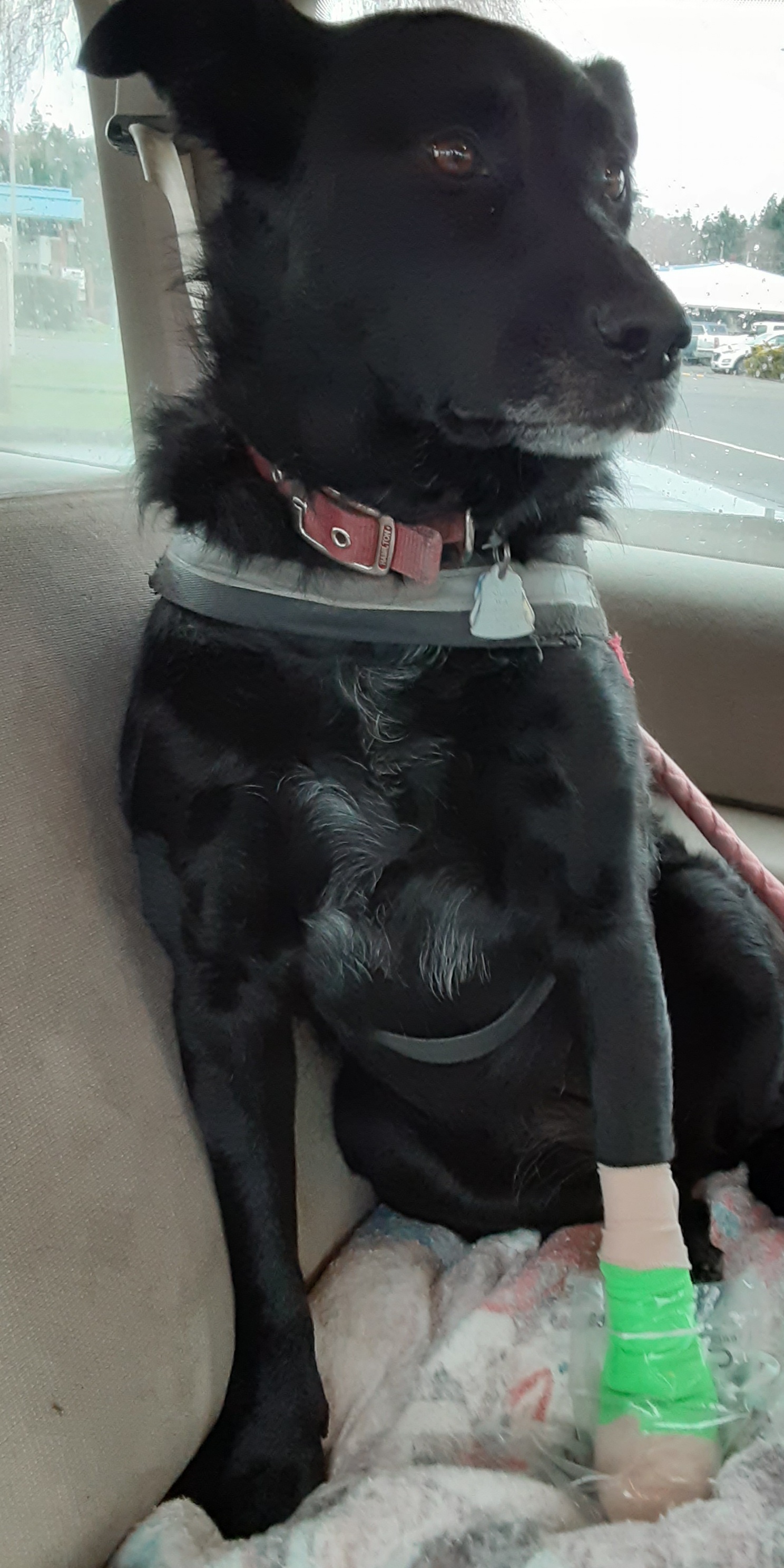
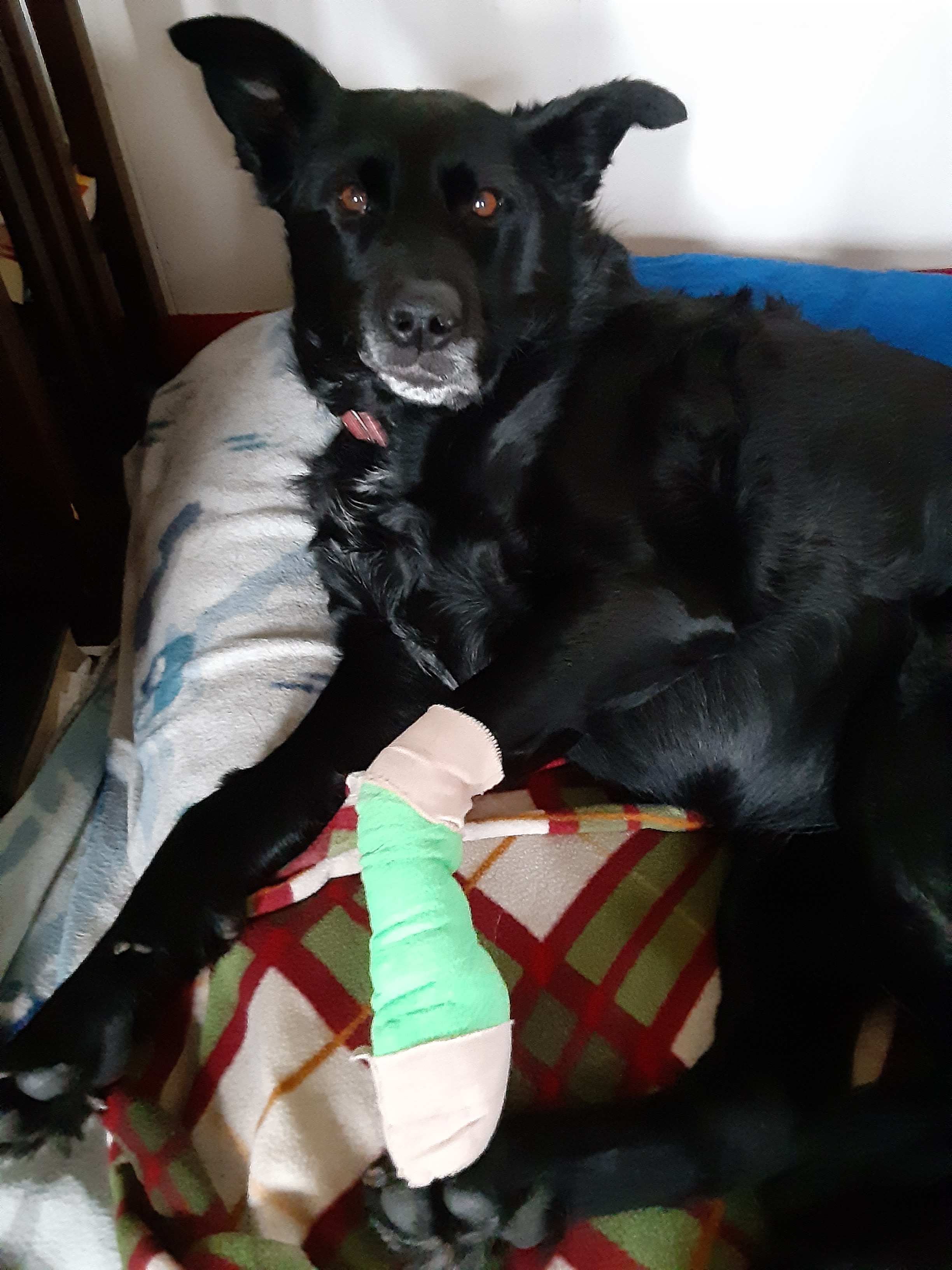
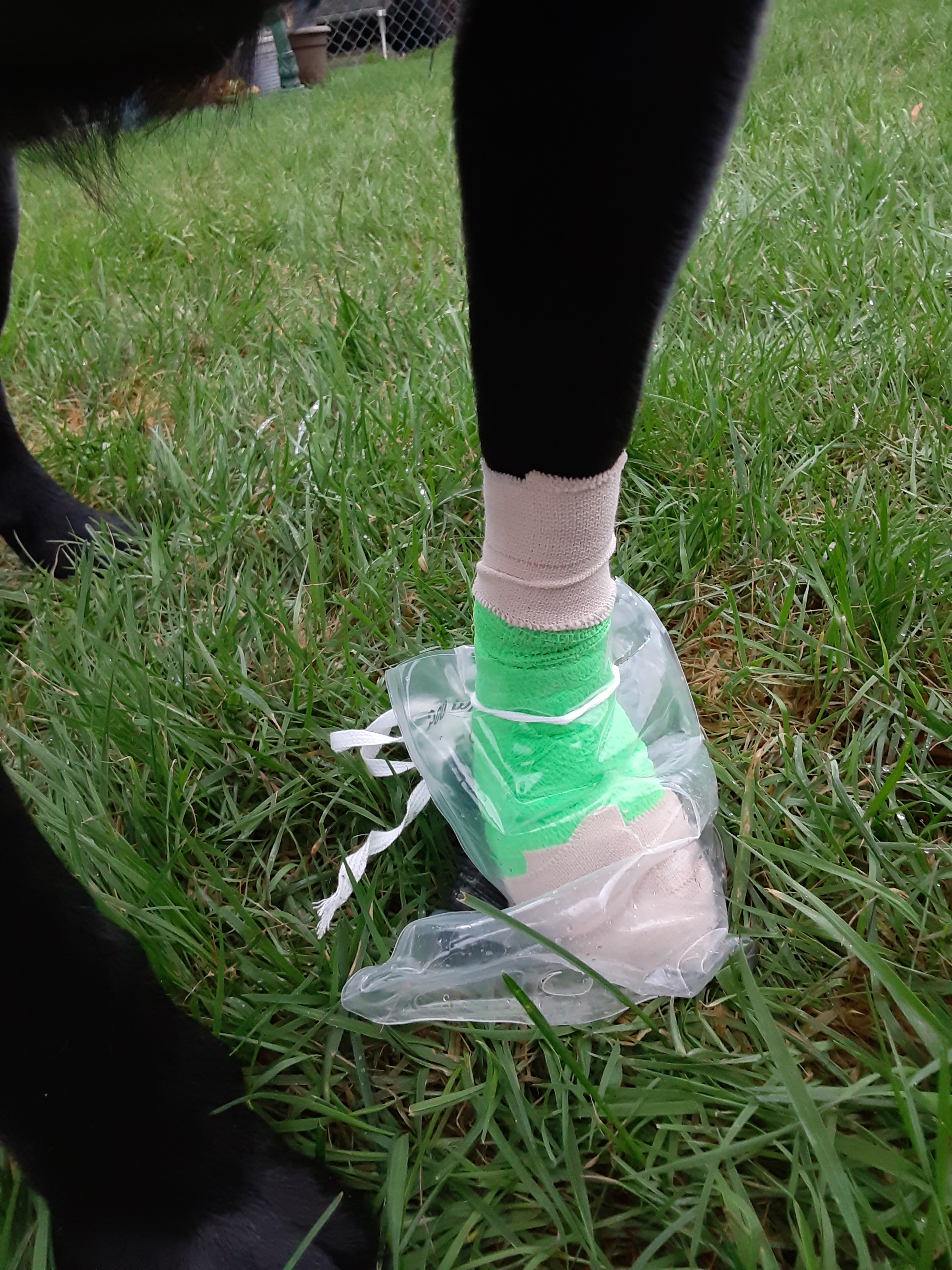
Awhile back Her Royal Momness looked out the window into the yard. She noticed I was limping. Mom ran outside like a shot from a cannon. Found my front paw was all bloody. No idea what happened or how. Just Too. Much. Blood. After recovering from her heart attack, Mom got the neighbor kid to help carry me into the house. Then we called Dr. Dan. He’s my doctor. We set a new land-speed record racing over to Dr, Dan’s place (don’t tell anyone, okay?). And Dr. Dan and his helpers took care of me. Bandage. Pain meds. Anti-biotic thingies. Observation. They even got me this little plastic bootie for my foot. To protect my bandage from getting wet. Mom had to tie it on my foot every time I had to go outside. So annoying. But it worked. And about a week and half later-ish, I was up and running and zooming all over creation, like usual! So yea, Dr. Dan!

Still with me? Good! I’m telling you this because I wanted to let you know that I was not scared at Dr. Dan’s place. That’s because I love Dr. Dan! He talks real soft and slow. I see him twice a year (that foot ouchie was a “seismic anamoly.” No idea what that means. It’s just what Mom said, okay?) At my usual check-ups, Dr. Dan says. “How’s my sweet girl today?” His face is all smiley and his voice is happy when he says that. I like Dr. Dan because Dr. Dan likes me! He also remembers I like the bacon-flavored treats best. Dr. Dan is one of my favorite-est hoomans in the whole world. (He’s not Mom. But, hey. Who is?)

So when Mom got a review request for this little’uns book about how they can be a veterinarian like my good buddy Dr. Dan, I said “Take it!” The world needs more Dr. Dans. I’ll let Mom fill you in on the rest:

Continue reading →


2 Comments

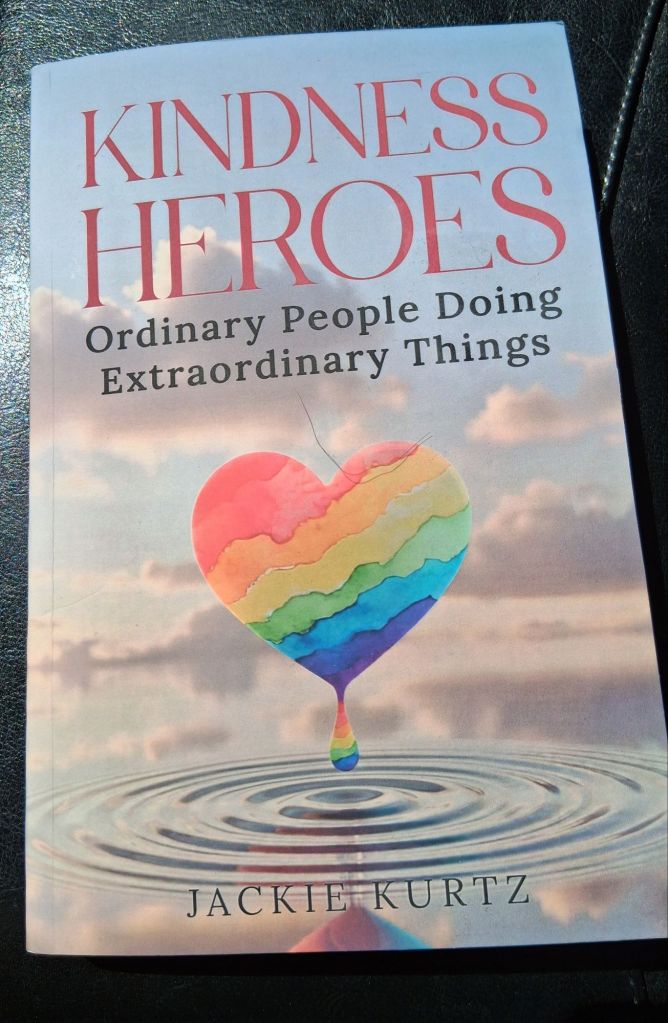
Ordinary People, Extraordinary Impact: How ‘Kindness Heroes’ Ignites Hope

You gonna eat that?

Kimber here. Saying you might want to stock up on tissue before tackling one of the best non-fiction books we’ve read all year. It’s Jackie Kurtz’s Kindness Heroes: Ordinary People Doing Extraordinary Things. Cuz we just finished it. And Mom is doing that sniffly, sparkly-eyed thing. Again. Cuz, ya know. Mom. (Insert eye roll here.)

We received a complimentary copy of this book for honest review.

I’ll let Mom tell ya more:

Continue reading →


4 Comments

3 Surprising Packages of Hope

Kimber here. I bet you think Her Crankiness is… 100% cranky, right? So do I. (Don’t tell Mom, okay? Let’s just keep this our little secret.)


But every once in a while Mom surprises me. Not that I’m surprise-able. But …


Wait. Where was I?


Oh yeah. Mom and I read a trio of books recently that were … surprising. They were quite different from each other, too. Think dogs and cats. (Well, okay. Maybe not cats. But you get the picture.)


Anyway, the first book is a delightful Christian romance from Kim Vogel Sawyer. The second is a non-fiction “travel tome with a twist” from Joseph F. Smith, M.D. There’s also an historical fiction novel by Kristin Hannah.


All get an Official Thumbs Up from Her Crankiness. Here’s why (short version):


Continue reading →


Leave a comment

Why ‘Travel Mania’ Will Have You Reaching for Your Passport

Travel Mania: Stories of Wanderlust

By Karen Gershowitz

Travel/Memoir/Non-Fiction

“Is it spring yet?”

“What a kick in the passport!” Mom hooted after finishing Karen Gershowitz’s Travel Mania: Stories of Wanderlust. “It’s fun and educational!” (She’s outside turning handsprings. Don’t tell anyone, okay?)

“But Mom,” says The Level-Headed One. “You say that about every travel book!”

Ever see someone try to stop hand-springing halfway through?

“I do not!” barks Mom.

Okay, fine. Whatevs, says I, Kimber the Magnificent. But tell me, Mom. What makes this book so splendiferous?

Well. Buckle up. Cuz here we go:

Continue reading →


Leave a comment

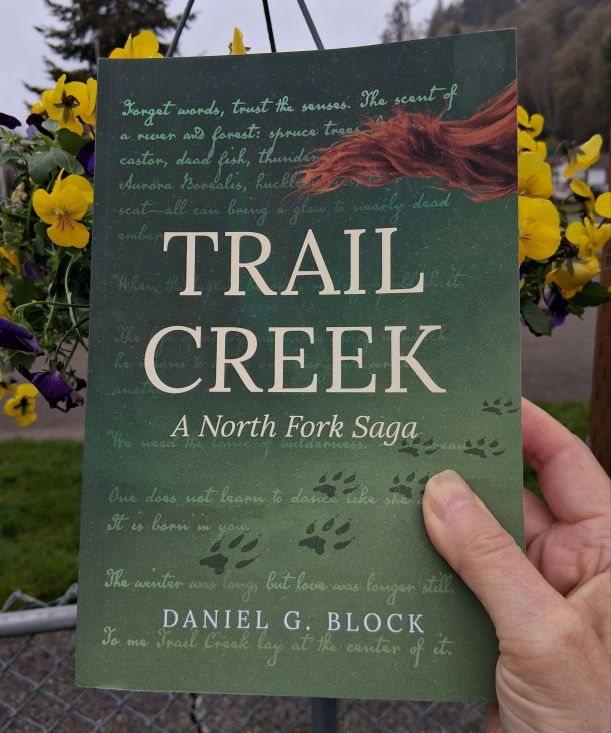
Resilience, Romance, and the Raw Beauty of Big Sky Country Revealed in Montana Memoir

Trail Creek: A North Fork Saga

By Daniel G. Block (Indie author/North Air Entertainment, 2025)

Genre: Non-fiction – Memoir

Pages (print): 334

Via: Author request

Note: We received a complimentary copy of this book for honest review.

Other note: Trail Creek was “Originally written by the late Dr. Daniel G. Block, professor of Biology at the University of Montana, Western and carefully edited and prepared for publication by his grandson, Zach Block with the assistance of the North Fork Landowners Association.”

“Some day we will return – and cry together.”

Throw another log on the fire and grab a hot cuppa for this highly readable and imminently engaging memoir by the late Daniel G. Block, educator, biologist, and natural storyteller.  As bright as a summer sun and as big as a Montana sky, this true story of love, life, and adventure on “the last true frontier” pulls at the heartstrings as it whispers of memories of early, unforgettable years on the North Fork of the Flathead River in Montana and the “tonic of the wilderness.” Set largely in the post-WWII years of 1946 through the early 1950s, Trail Creek: A North  Fork Saga is Walden-esque and Walton-esque in both style and substance.

Continue reading →


Leave a comment

‘The Winter Pony’: Touching Tribute to an Unsung Hero

The Winter Pony is a terribly sad story. It’s also a touching tribute to an unsung hero of the race for the South Pole in the early 1910s.

If you’re familiar with the epic race between the triumphant Norwegian, Roald Amundsen, and the bumbling dunderhead, Englishman Robert Falcon Scott, you know how the story ends. Lawrence adds a new twist. He tells the story of Scott’s ill-planned, ill-prepared and ill-fated polar expedition through the eyes of one of 19 ponies brought along on the expedition, a “plucky little animal” named James Pigg.

James Pigg (Pinterest). Was this plucky pony the REAL hero of the Scott expedition?

Pigg’s early life is a product of the author’s imagination. But many of the subsequent facts Pigg narrates regarding the Terra Nova’s voyage to the South Pole and the expedition itself are true.

It is likewise true that Scott was lauded as some kind of national demi-god for some 60 years after his arrogance and incompetence likely got himself, his men, and the ponies killed on the unforgiving ice. Meanwhile, Amundsen was seen as a scoundrel who had the bad manners to snatch the prize of First to the Pole from the more deserving, long-suffering British.

What hogwash.

That load of horse hooey was largely put to rest by Roland Huntford’s thoroughly documented, meticulously researched, The Last Place on Earth.

Lawrence alludes to Huntford’s work on page 242 of The Winter Pony. But he doesn’t name it. He doesn’t have to. I recognized it. I’ve read it.

In the same section, Lawrence makes the case that “Scott was nothing if not kind to his ponies.” The author believes that Scott’s “kindness” and his “reluctance to push the animals too hard in the first year of his expedition” wound up killing Scott (p. 242).

Perhaps. A better argument would be that if Scott had Clue One and truly cared about the ponies, he wouldn’t have brought them to that God-forsaken icy wilderness in the first place.

Clearly, the South Place is no place for ponies. Not even for one as “plucky” or as big-hearted and sweet-tempered as old James Pigg.

The Winter Pony is a fresh look at an old tragedy from a unique point of view. It’s beautifully written. Compelling and engaging. At times it’s reminiscent of Anna Sewell’s Black Beauty. I read it cover-to-cover in half a day.

As sad as this story is, it’s good to know that the celestial points of navigation above Antarctica were recently named in honor of the ponies and dogs who served and died in man’s quest for the South Pole. It’s a fitting tribute to the animals who worked so hard and gave so much in the race to the last place on earth.

The Winter Pony is a sturdy story. Definitely a worthy read. You may want to bring tissue. And an extra blanket.


2 Comments

Flawed and Faith-Filled: The Complex Legacy of Elisabeth Elliot

Being Elisabeth Elliot: The Authorized Biography of Elisabeth’s Later Years

By Ellen Vaughn (B&H Publishing Group, 2023)

Genre: Non-Fiction

Pages: 278

Visa: Library book sale

Who was she?

This question lies at the heart of one of the finest biographies we’ve ever read, Being Elisabeth Elliot. The second in a two-part biographical series on the late missionary and Christian thought leader, Being picks up where Becoming Elisabeth Elliot leaves off. (Here’s our review of the latter: A Story That Strengthens: ‘Becoming Elisabeth Elliot.’)

Elisabeth Elliot has long held a top slot in our list of All-Time Favorite Authors.  Her life was mixed with “good, bad, glory, pain, tedium, hope, and despair.” Elisabeth’s first husband, Jim Elliot, was martyred in Ecuador along with four other American missionaries in the 1950s. Thereafter, Elisabeth’s life of obedience, timeless teachings, and best-selling books influenced both believers and seekers of the Christian faith for over fifty years.

Continue reading →