

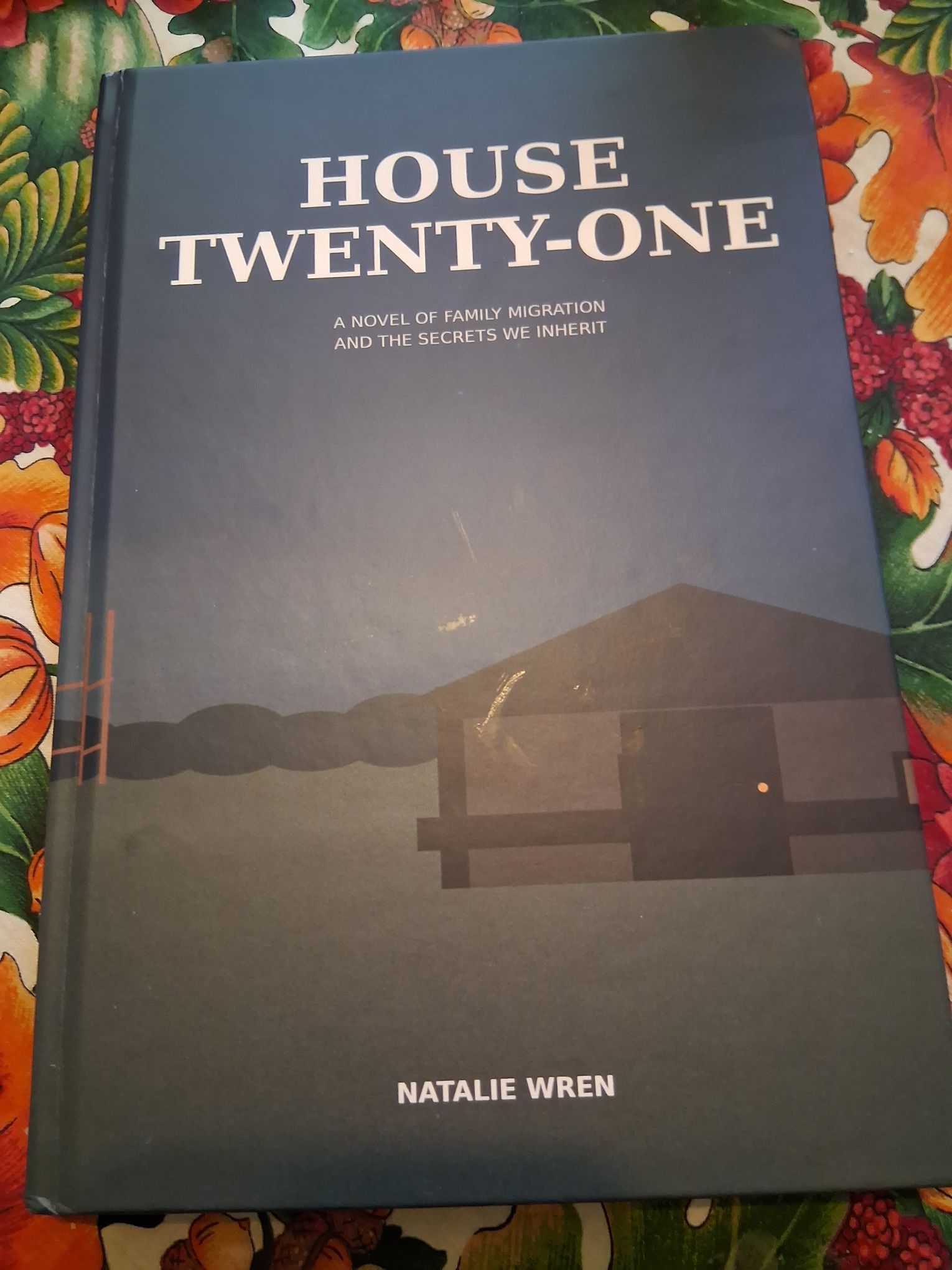
House Twenty-One: A Novel of Family Migration and the Secrets We InheritBy Natalie Wren (Indie author, 2026)
Genre: Historical Fiction
Pages (print): 99
Via: Author request
Note: We received a complimentary copy of this book for honest review.
“And what am I supposed to do with this house?”
“Find out why someone spent forty years trying to send a letter back to it.”
Got your attention? Good. Cuz these two lines from the Prologue of Natalie Wren’s engaging historical fiction, House Twenty-One, grabbed ours. Here’s why:
Nora Whitaker’s uncle has spent years tracing thousands of family connections. In failing health, Uncle Ben entrusts Nora with a box of letters reaching back over a century. The box contains information “about two sisters who stopped speaking,” Yaryna and Halyna. Mystery swirls. Like, why did Nora’s mom remove century-old letters from the box? While exploring the family tree and other records for answers, Nora discovers a family secret that’s connected to a house numbered 21. But the questions don’t stop there.
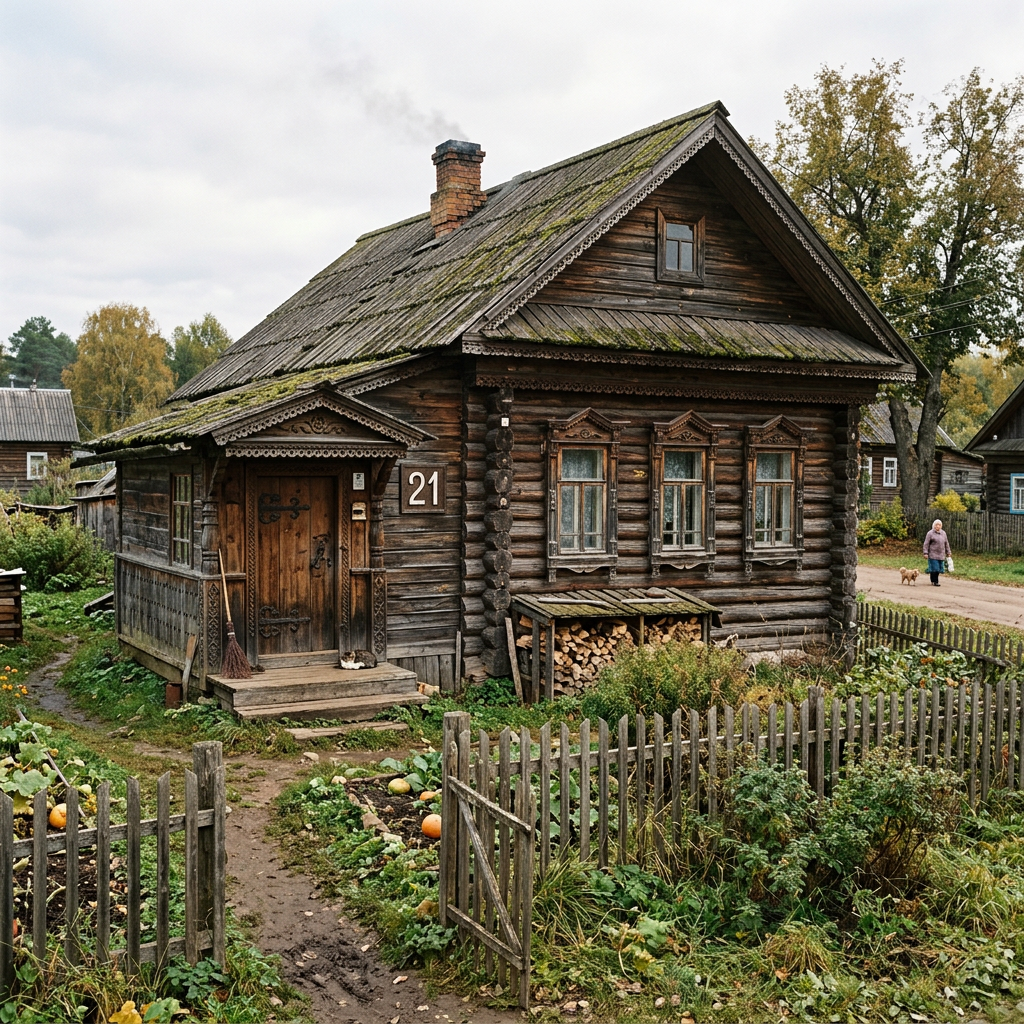
Meanwhile, Nora is busy packing and moving (migrating?) her family to a new home. And while Nora is on the trail of truth regarding her family history, she’s also dealing with estrangement from her own brother, Caleb, and how family secrets, long buried, may open a road too many.
“You believed I would not write because I wanted to punish you. At first this was true. Later I did not write because shame is heavier than regret.”
This book is about migration from one place to another. So we were confused by the lack of specificity regarding geography and location. Near as we can tell, the story opens somewhere in Russia. One sister departs, migrating across the Atlantic Ocean to … some place. Your guess is as good are ours. And maybe that’s the whole point. Here’s another way of looking at it: Perhaps this book isn’t about physical migration from one country or region to another so much as it is about migrations of the heart and how future generations are affected by both. Additionally, some issues with basic mechanics creep up every now and then. Like when the first word in a new sentence is lower-cased rather than capitalized.
Yaryna wanted her sister to apologize for leaving. Halyna wanted Yaryna to apologize for making departure a betrayal. Each waited for the other to place love above pride, and each mistook waiting for strength.
This book is often in dialogue with itself. Surface and subtext speak in different chapters, times, places and people. For example, “Interlude” chapters include brief biographical stops in other immigrant stories. With multiple interwoven chronologies, the story sometimes whispers and sometimes argues. Clues are baked into opening chapters like chocolate chips in a cookie, flavoring the plot with hints as subtle as morning mist.

Meanwhile, the narrative doesn’t always unfold in a single straight line with crisply defined edges. Some threads run straight. Others are crooked and loop back. Dual storylines crisscross and create new patterns. Some patterns are as pellucid as a mountain stream. Others are as opaque as a fogged mirror.
I did not understand that leaving can be done by the person who stays…
In terms of style, the author’s pen dances like a spider’s silk, weaving a tapestry where every thread is eventually connected and every pattern sings. Within this intricate web of historical fiction and family, we find strands of belonging. Loss. Estrangement. Yearning. Regret. Hope.
Kindly note that House Twenty-One isn’t an address so much as it is an anchor. And that this book takes time to ripen. Themes includes wounds families protect. What it means to inherit a story you were never meant to know. House Twenty-One is also about hiding. Leaving. Staying. Returning. It’s about trying to find a way home. And what it means to be family, secrets and all.
Continue to me. Keep writing until you reach me…
House Twenty-One is the first book in The House Twenty-One Chronicles. It is “a novel inspired by documented family history.”


