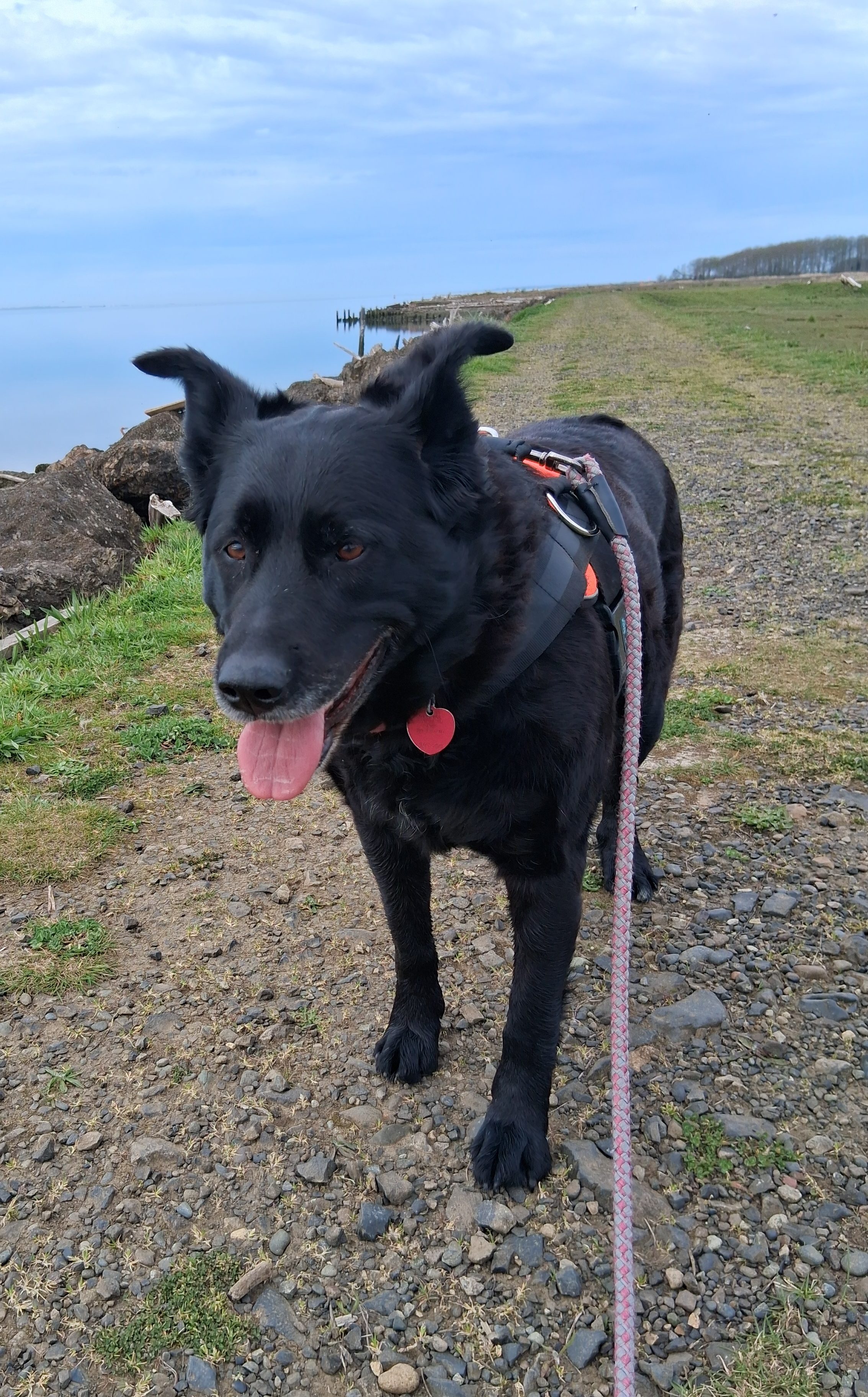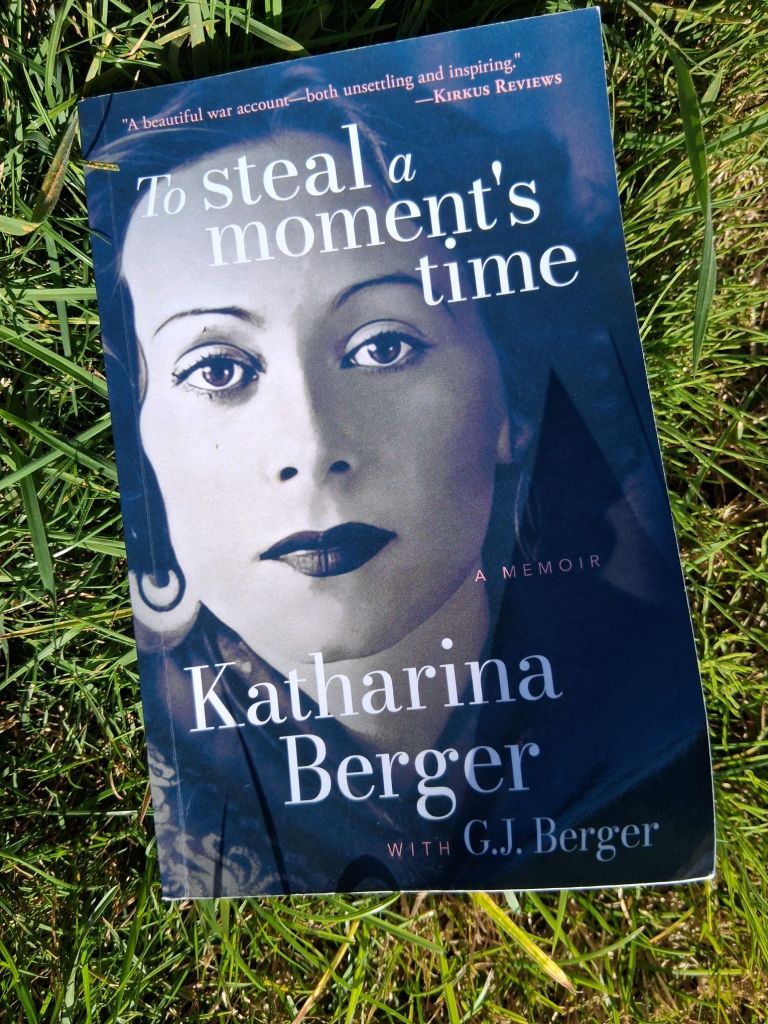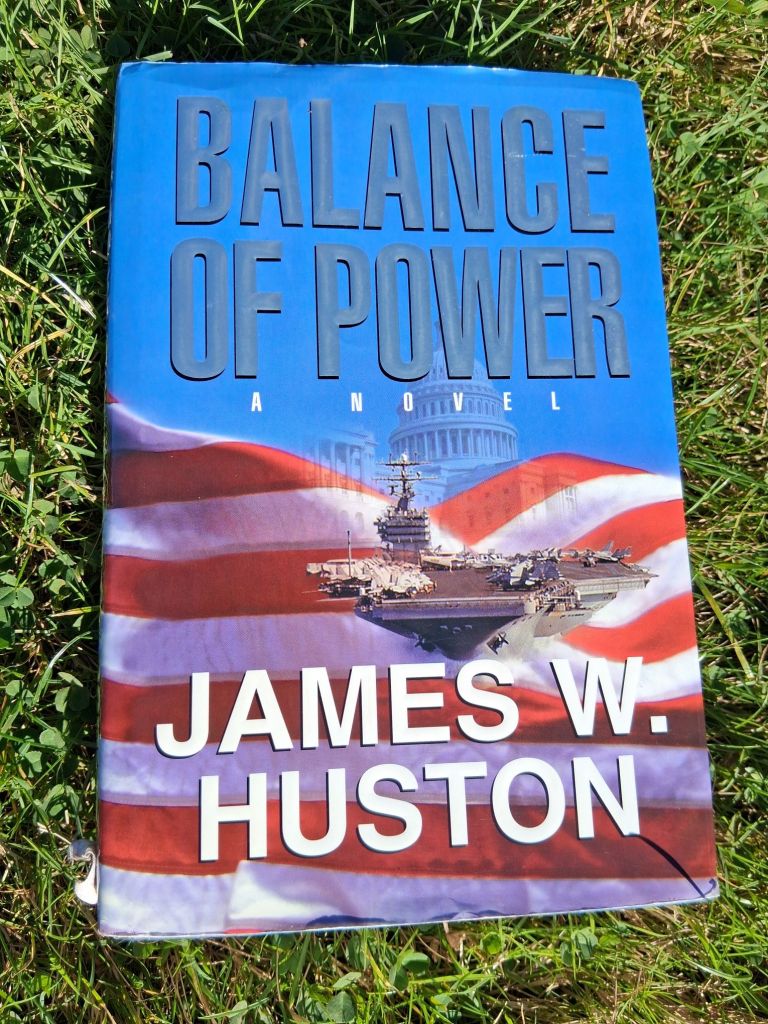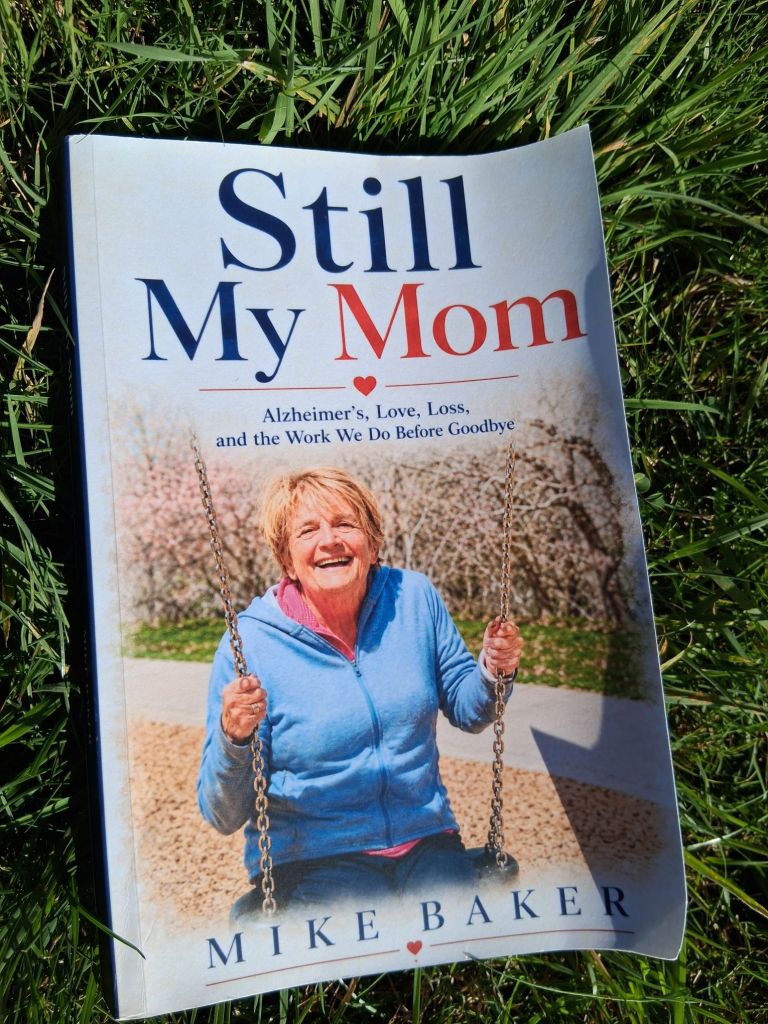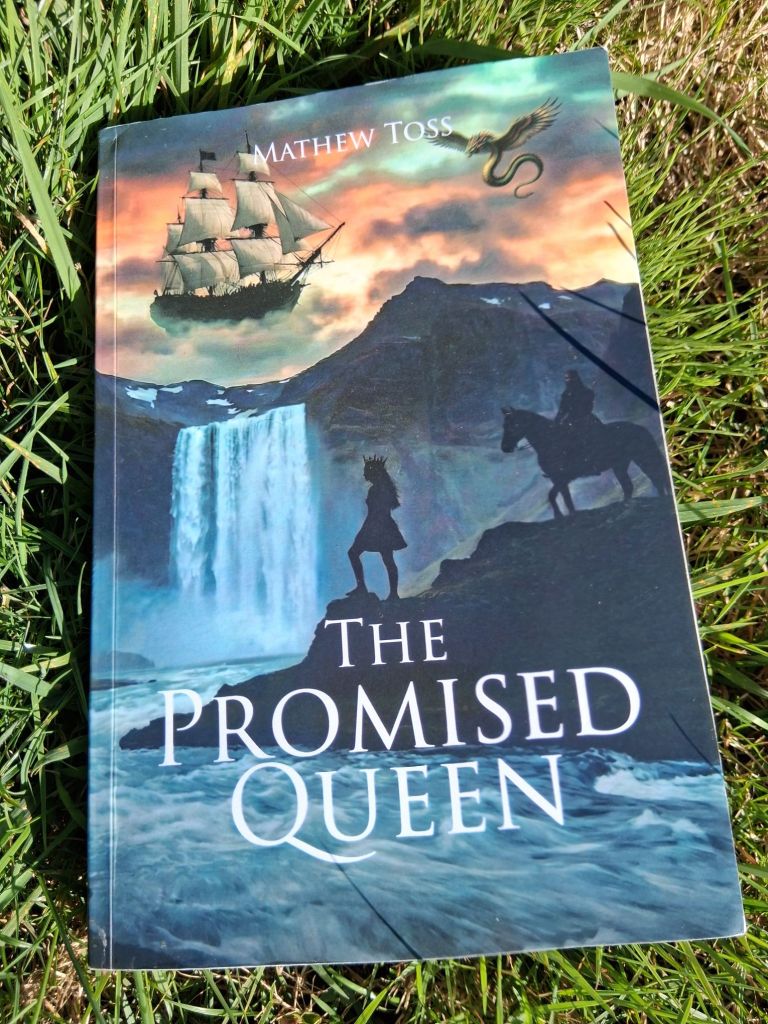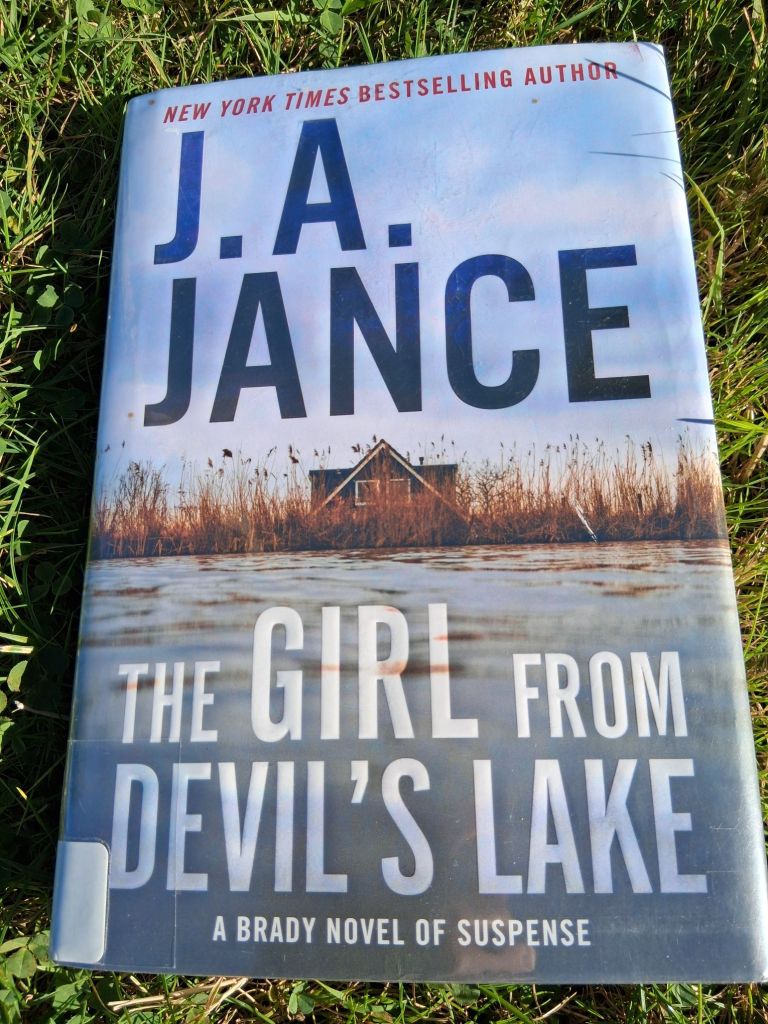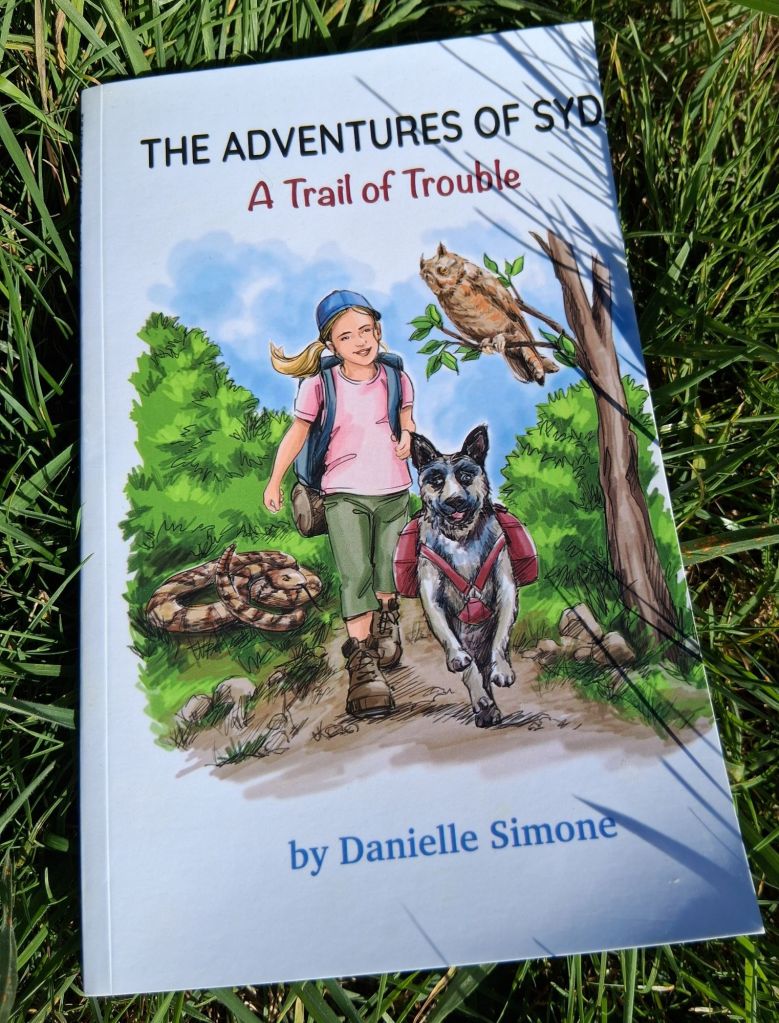

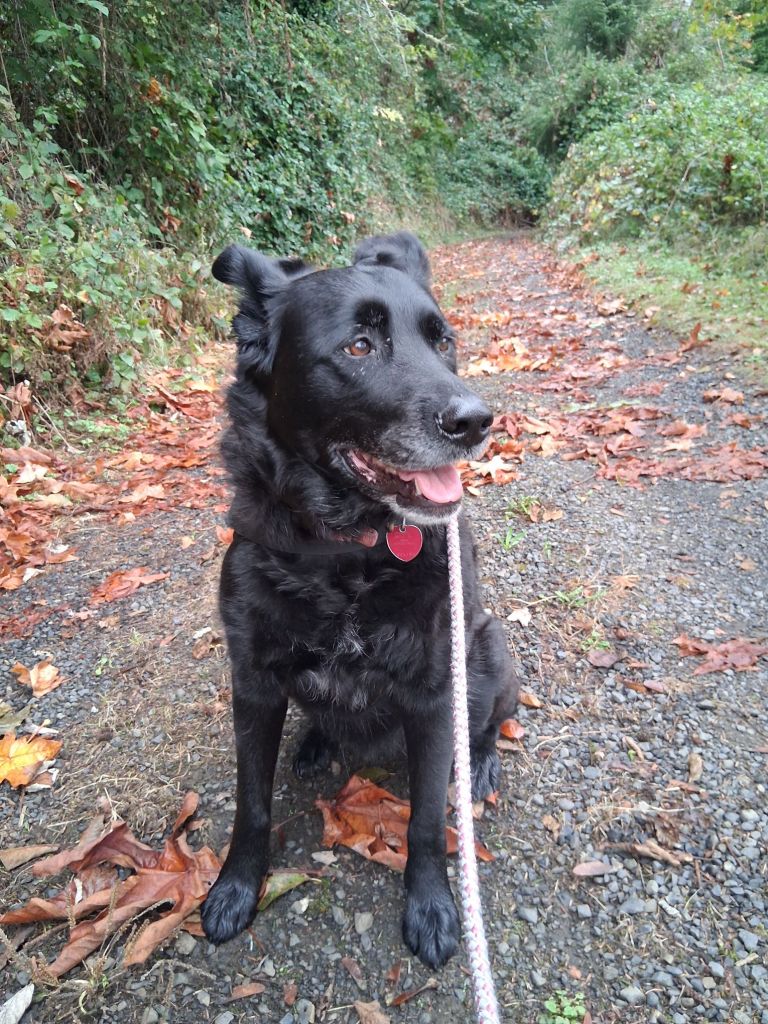
Kimber here. Ready to show you how to churn out an absolute literary disaster sure to tank like the Titanic. Cuz we’ve plowed through quite a few lately. And since The ‘Ole Curmudgeon and I like to be helpful, we thought we’d offer the ultimate, failsafe blueprint for writing a spectacularly unreadable book that’ll get you a one-way ticket to the Big Kitty Litter Box in the Sky. In a heartbeat.
Pro tip: I’d listen up ‘fize you, bub. So you can save us both some time in the Requesting and Reviewing Departments.
Cuz writing an awful book isn’t just about throwing random capitalization and “meow” on a page. It takes true, unhinged dedication! So here’s your step-by-step guide to crafting a book so unreadable, it’s practically a work of art:
1. Dont “Poof” Reed Anything. Evur.
Those gkaring typose, punkuashun errors and grammur oopses that jumpp off the paje and smackk a revueer in the fase? Trust me, no one will notise.
2. Master the Monotone.
Never, ever use metaphors that make sense. Instead, describe everything in terms of odors and floor surfaces. Your narrator should obsessively track the “smelly metal box with the red circles” (a toaster) for four whole chapters. If a plot point gets too tense, derail it and obsess over a box of jelly-filled donuts left on the counter unattended.
3. Unleash the “Word Vomit” Vocabulary.
Why use one adjective when you can use twenty-six instead? Variation on a theme: Create a main character who sounds like a Shakespearean scholar in need of a nap. Additional variation: Constantly alternate between philosophical musings about the meaning of life and tomorrow’s trash pick-up. Keep the vocabulary aggressively basic, but throw in words like apricate and velleity that no one uses and no one cares about.
4. Toss Logic Out the Window.
If you really want to frustrate your reader/reviewer, toss all biological and logical reality out the window. Replace the laws of physics with a TikTok dance challenge on page 42. Write dialogue like you’re herding quantum particles through a salad bar. Unplug the GPS of the cosmos and start navigating by glitter. Or have your main character tackle a high adrenaline mountain, then break the tension by having him get confused by his own reflection for nine pages.
5. Over-Explain Everything.
Instead of showing your readers what’s going on in your story, tell them about it. And tell them. And tell them. And tell them some more. If that doesn’t work, keep telling until they drift off to Neverland.
Don’t forget to treat your readers like they’re a bunch of preschoolers who can’t figure out theme, motivation, or conflict without beating them over the head with it. For good measure, make sure you also tell them what to think and how to react instead of letting them decide for themselves. So feel free to paint over their imaginations and intelligence with your own brush.
Next, be sure to declare the protagonist’s intentions every three paragraphs. Just in case anyone forgot. Make the tone so deeply mawkish and maudlin it’s cringeworthy.
Does your manuscript hit all of the above? Great! Then send it in. But don’t be surprised if it capsizes our review boat. Or another box of kitty litter. And those author emails griping about a negative review? Want some cheese with that whine?
Are we clear here? Inquiring curmudgeons want to know.
Oh, we know. Your mom and dad led fascinating lives. Your grands were the bee’s knees. Your sibling, aunt, uncle, niece, nephew, 14th cousin six times removed deserve beatification. And you’re just itchin’ at the keyboard to tell the world about your wonderful relatives. So, you sit down and write their biography. You may spend weeks, months or even years in the endeavor. After all, who wouldn’t find the story of Aunt Bertha’s cure for root rot exciting? Or Great- Great Grandpa Elmer’s adventures in dryer lint collecting unputdownable?
Here’s the issue with a lot of biographies/memoirs we get for review: They’re like a slow drip from a leaky faucet — predictable, repetitive, and utterly uneventful. As captivating as a plate of overcooked rutabagas.
Yes, we know again. You find your relatives fascinating. Are convinced their life story is going to burst onto the literary scene faster than a speeding bullet. More powerful than a locomotive. But here’s the catch: If you’re writing for a general audience – someone other than family or close friends – that compelling life story you’re dying to tell the world? The world may just shrug its shoulders and go back to mindless scrolling. Or watching the next presidential debate. Which is pretty much the same thing.
If you want to craft a compelling biography that connects with someone besides your Aunt Mabel, it means thorough research, a clear narrative, and a story that resonates with a broader audience. Yeah, we know your Mum was a saint. But what’s the take-away for me? This is the question your average reader will ask. It’s pretty much the bottom line for an engaging biog. Connecting with the reader gives them a reason to keep turning pages. A recitation of life events that reads like Encyclopedia Britannica or a life chronology that’s as dry as a Kansas cornfield in August doesn’t cut it.
You wouldn’t believe how many biogs we get for review that don’t get this. They usually come from starry-eyed first-time authors who are so excited to get their magnum opus in print and Tell The World about their wonderful relative or friend, they forget to tell a story that someone who’s not a relative or friend will want to read. That kinda matters. Falling short of same, they seem genuinely surprised when we’re not turning cartwheels over a memoir or biog that’s as dull as a blunt spoon.
We’re just funny that way.
‘Aunt Mabel.’ Photo by Agustina R Street on Pexels.com
So here, at no extra charge, are some tips for writing a biography that someone besides your Aunt Mabel and Uncle Elmer will want to read:
Determine Your Purpose
First, ask yourself: Why am I writing this biography? How do I want readers to respond to this story? What’s their take-away?
Then choose a central theme to guide your narrative and keep it focused so it doesn’t wind up hopping down endless bunny trails or circling the irrelevancy drain. Do you want this story to convey leadership principles? Strength and courage in the midst of adversity? Keep it tight and keep it focused.
Research
This is probably the most crucial but non-glamorous part of the biog writing process. It could take months or years. But you need to get your facts together and get your facts straight. This is the backbone of your biography. A weak backbone makes for a weak story. The converse is also true.
So, martial your research skills and prepare to sally forth. Check out primary and secondary sources. This may include books, letters, journals, newspaper stories, and personal interviews. Fact check to ensure accuracy.
Organize
We get a lot of biographies that have solid stories but are hampered by structural deficiencies. That breathless first-time author thing. Avoid this common pitfall by selecting an appropriate structure for your story. Biographies are often told in chronological order. But thematic or event-driven structures may also be effective, depending on what key elements or takeaways you want to convey (see above).
A thoughtfully organized story will keep your readers engaged and the story will flow naturally. A throw-it-against-the-wall and see-if-it-sticks approach will have the opposite effect. (Trust me on this one. We’ve seen it way too many times.)
Note: “Sarah Smith was born in 1902” isn’t a hook. It’s a yawner. A couple more sentences like that and you’ve likely lost the reader for good. Lead with a powerful anecdote, quote, or dramatic moment that sets the tone for the remainder of the story.
Example 1: “They met in Tulsa. Dad was a ploughboy from western Oklahoma; Mom was a hometown girl. He was in the Army Air Corps, … and she had been first-prize winner in a jitterbug contest the year before. It was 1942: She was just turning eighteen, a high-school senior; and he was twenty-one. “- John Denver, Take Me Home.
Denver opens with a warm and concise portrait of his parents, evoking time, place, and personality. This sets the emotional tone for the balance of the book. Remember, you only have one chance to make a good first impression. Make it memorable. Make it inviting. Make readers want to know more.
Example 2: I was born into a year of famine. It was 1947, and Austria was occupied by the Allied armies that had defeated Hitler’s Third Reich. In May, two months before I was born, there were hunger riots in Vienna, and in Styria, the southeastern province where we lived, the food shortages were just as bad.” –Arnold Schwarzenegger, Total Recall: My Unbelievably True Life Story
Schwarzenegger immediately places the reader in the moment of his birth, against the backdrop of a nation rebuilding from war. It’s a powerful, dramatic opening for an autobiography about resilience, ambition, and transformation.
Pro tip: Test your opening line or paragraph by reading it out loud. How does it sound? Is the tone conversational or academic? Does it convey your theme right out of the gate? Does it captivate, or does it elicit snores?
Show, Don’t Tell
You want your subject to come across as a real life, three-dimensional person, not a cardboard cutout. You also want readers to be able to relate to your subject. So, include quotes, descriptions, dialogue, quirks, and any other personality traits that help readers connect. Show readers your subject rather than just telling them about same.
Use Storytelling
You’re writing a story, not a Wikipedia entry. Nobody wants to read a list-like account of someone’s life that’s as inspiring as stale kale. To create a compelling narrative, deploy storytelling elements like scene-setting, conflict, and resolution. Use lively prose. Keep the pacing brisk.
Don’t forget this step. It’s hard work. It doesn’t exactly qualify as a four-alarm barn burner. But polishing your draft is vital. Engage beta readers to check for clarity and coherence. Hire or find a professional editor if at all possible. They’ll check for readability. Pacing. Redundancies. And a professional and engaging tone.
Publishing
Unless your intended audience is limited to Aunt Mabel & Co., consider professional printing and formatting. Nothing will leave a sour taste in a reviewer’s mouth faster than a sloppy, haphazard manuscript that presents like a troop of drunk monkeys rolled the presses after a banana bonanza.
Common Mistakes to Avoid
Info-dumping: Don’t overload readers with dry facts.
Hero-worshiping: Excessive praise makes relating to the subject difficult, if not impossible.
Skipping the hard stuff: Tension and conflict make for a compelling story.
Genealogical data-dumping. Resist the urge to trace the family history back to Noah. Newsflash: Nobody cares and it slows the narrative like molasses in winter. Stick with the basics. Hit some highlights. Then move on, bub.
Lack of theme: Your biography should have an over-arching theme that unifies and focuses the story—ambition, redemption, legacy, etc.
One Last Thing
If you are too close to the subject – say they’re a close relative or friend – consider engaging a ghost writer or a professional editor to assist with your book. Maybe both. Authors who write about a family member mean well. But they’re sometimes too emotionally invested in the subject to be able to write in a manner that will resonate with other readers and keep them turning pages. A professional editor or a professional biography writer can remain objective without compromising the emotional impact of the story.
Finally, writing a biography for someone besides your Aunt Mabel isn’t easy. But with time, attention, and focus per the above, the end result can be a compelling life story that not only informs but also captivates and leaves a lasting impression. And isn’t that the whole point?
“The sandman beckoneth” yawned Her Royal Momness the other day. Perched atop her Royal Throne-eth. Battling to stay awake with a book so dense, it could moonlight as brick mortar.
So, what’s a body to do with a read so somnambulent, it’ll put No Doze out of business? We’ll get to that in a min, Sweet Stuff. First, let’s debunk a common myth about boring books. It goes like this:
I’m tired but reading will perk me up. Wrong. Plowing thru a dull-as-dirt book is like singing your brain to sleep. In print. So when reading starts feeling like a one-way ticket to dreamland, you need to bring out the heavy artillery. Here are 5 ways to fight the snooze button like a boss:
1. The Anti-Comfort Principle.
Get out of the bed. Reading in bed is where literary motivation goes to die. Instead, force your body into a posture that screams “I am a prisoner at the Hague.” Sit entirely upright in a wooden kitchen chair. Better yet, stand up. There is zero recorded instance of someone achieving REM sleep while standing on a cold hardwood floor. If you want to go the extra mile, embrace Quora’s absurd but undeniably effective suggestion: stand on your head to force blood flow to the brain. (Note: do not try this if you value your neck or your hair).
2. Turn Up the Light.
Is your “reading vibe” a soft, moody, low-lit lamp in the corner? Cute. But it’s a one-way ticket to Snoozeville. Switch to the brightest, most sterile “interrogation room” lighting you can find. If you’re reading a digital book, crank that screen brightness until it feels like you’re staring directly into the sun. (Accessories not included. Batteries sold separately.)
3. Engage Your Inner Drama Monarch.
If you just silently scan the text, your brain treats it as background noise. You need to make a scene! Read the text out loud. Do it with an aggressively dramatic, theatrical voice. Giving a dry textbook character a snooty British accent or a villainous pirate growl instantly makes 18th-century philosophy a thousand times better. So does reading next to the dog’s food dish. But we won’t be responsible for the consequences.
4. Bribe Yourself with Food.
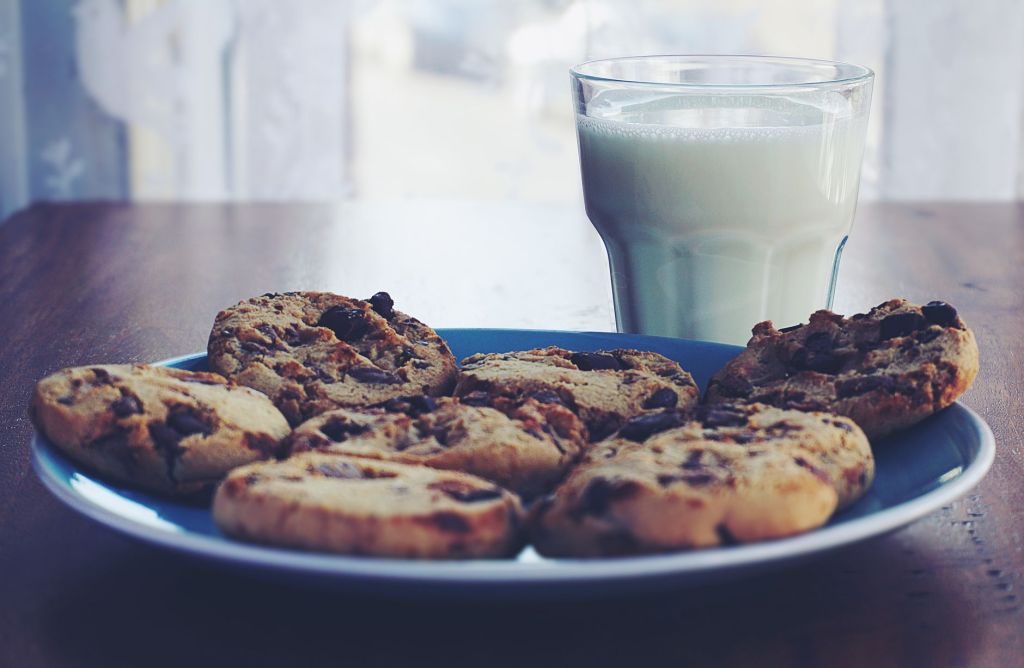
If your stomach is empty, you’re sluggish. If you’re too full, you’re sluggish. The sweet spot? Slowly sipping or crunching on something. The physical act of chewing and swallowing keeps your jaw working and your eyes open. Just make sure it’s crunchy or sour enough to shock your system—milk and chocolate chip cookies will just put you right back to sleep. (Don’t ask how we know this.)
5. Weaponize Your Annotations.
Don’t just stare at the page like a passive zombie. Or the neighborhood fluff ball. Grab a highlighter or a pen and go to town. If you own the book, deface those pristine pages with aggressive notes, frustrated exclamations, or sarcastic critiques of the author’s writing style. When you force your hands to move, your brain is forced to process.
When all else fails? Just do what we do with an aggressively boring book. Put it back. Dump it. Drop kick it out the front door. Banish it from your TBR pile. Give it to the neighbor’s cat. Send it into exile until you’ve run out of Sominex.
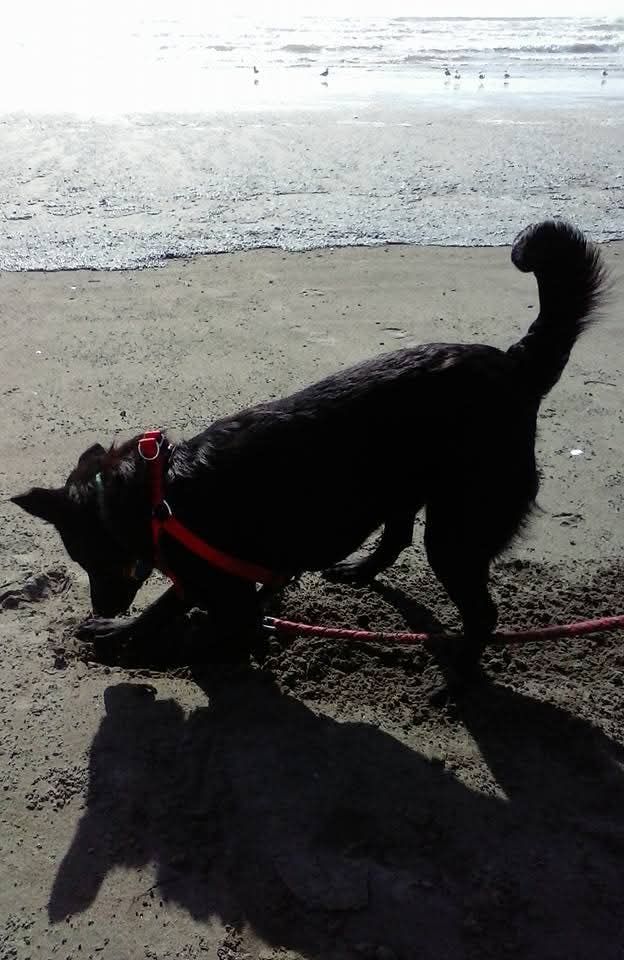
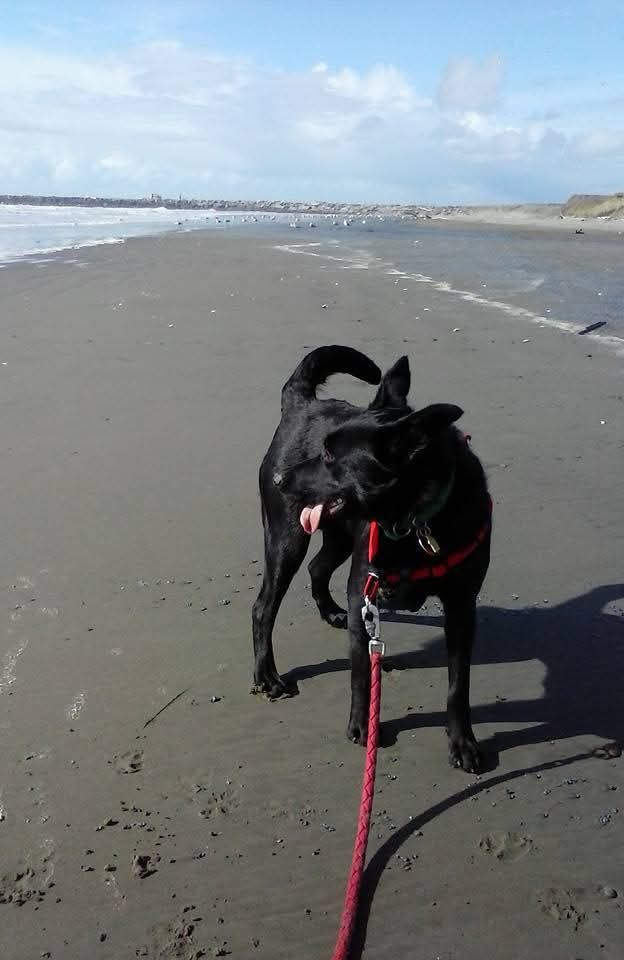
Ah, summer! Sun. Sand. The beach! Mom’s fave iced tea. Big ‘ole fluffy towel. Dark glasses. Floppy hat. That Russian novel she’s been threatening to finish since shortly after the discovery of fire. And snacks. Don’t forget snacks! And, really. How was I supposed to know a mini cooler is for cooling, not burying in the sand after running it all over the beach at Mach 4?
Next stop: China!
Well. That was yesterday’s beach adventure. Live and learn, eh? There was also:
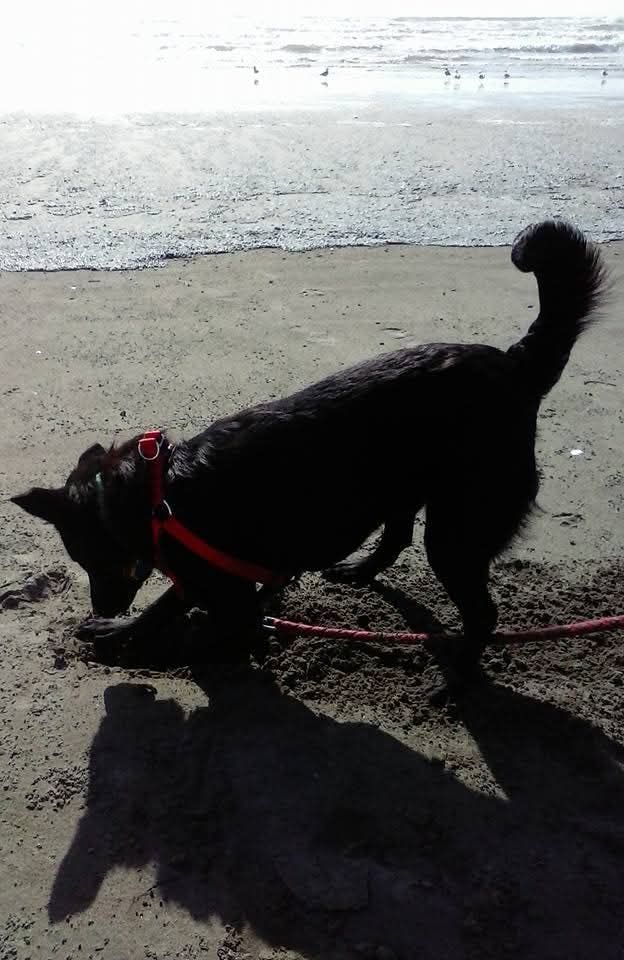
The Tail of the Towel. Aka: a giant, plush bullseye perfectly calibrated to absorb water right before I launch a full-body shake and douse Mom with enough salt water to sink the Bismarck. Oh, and that soggy, salty belly-flop onto chapter 3? It was an accident. Promise.
The “Quicksand” Illusion. How come the beach doesn’t come with more grass? Why am I always sinking? And what’s up with all this sand?
The Great Chapter Bury. Okay, okay. So maybe I did get a little carried away with that beach excavation thing. Like, digging half-way to China. And chucking sand all over Tolstoy. But, hey. The guy needed a face lift anyway. Think of all the money I saved him!
Go!
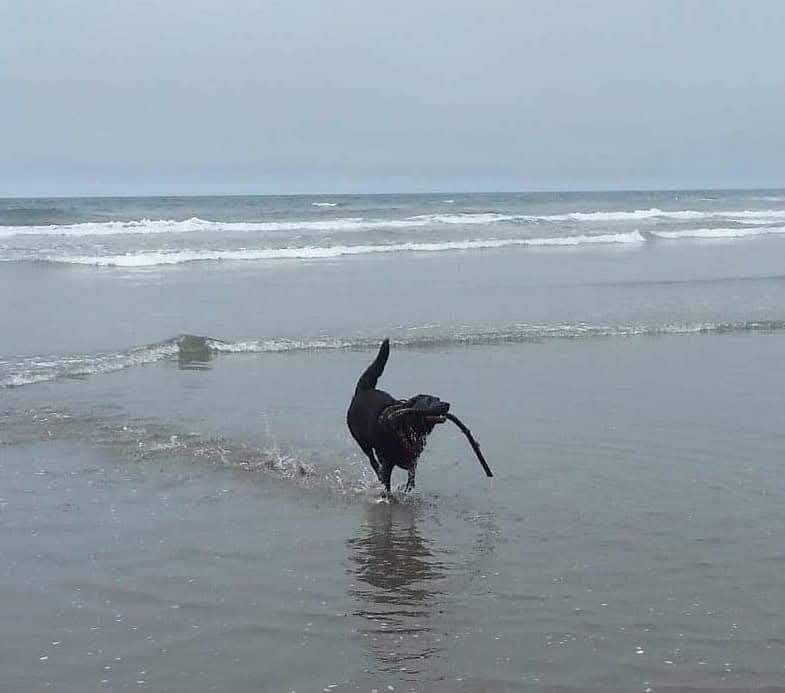
The Bait and Switch. Mom said, “Wanna play fetch?” Well. What kinda question is that?! Soon as she tossed the stick, I was all in! Sprinting full-speed down the coastline to:
Outrun every shorebird in sight.
Roll in every piece of seaweed I could find.
Say “hello” to everyone in the same zip code.
Protect Mom from one very sketchy-looking plastic bag.
The Salty Sea Gulp. Kids, don’t try this at home! Yeech!
Oh yeah!
Well. We had fun. Mostly. One of us even learned a few things. So here, at no extra charge, are some tips for surviving a “beach read” with your canine. (Accessories not included. Batteries sold separately.)
Pack a Canine Command Center: Bring an Explorer Dog Travel Bag to organize all the toys, fresh water, and portable bowls to keep them distracted from your book.
Bring Shade: A pop-up sun shelter makes a good chill zone where your pup can stay cool, keeping the sand-kicking radius at a safe distance. Add a cooling mat.
Accept Defeat: Honestly, the best way to handle reading at the beach with Fido is to just accept that your book will end up as a glorified chew toy. Bring a waterproof e-reader, or just give up and enjoy watching your furry bestie live their absolute best life in the surf. And leave that Russian novel at home. Kimber: Works for me! Can we go again tomorrow? Can we? Can we? Huh? Huh?
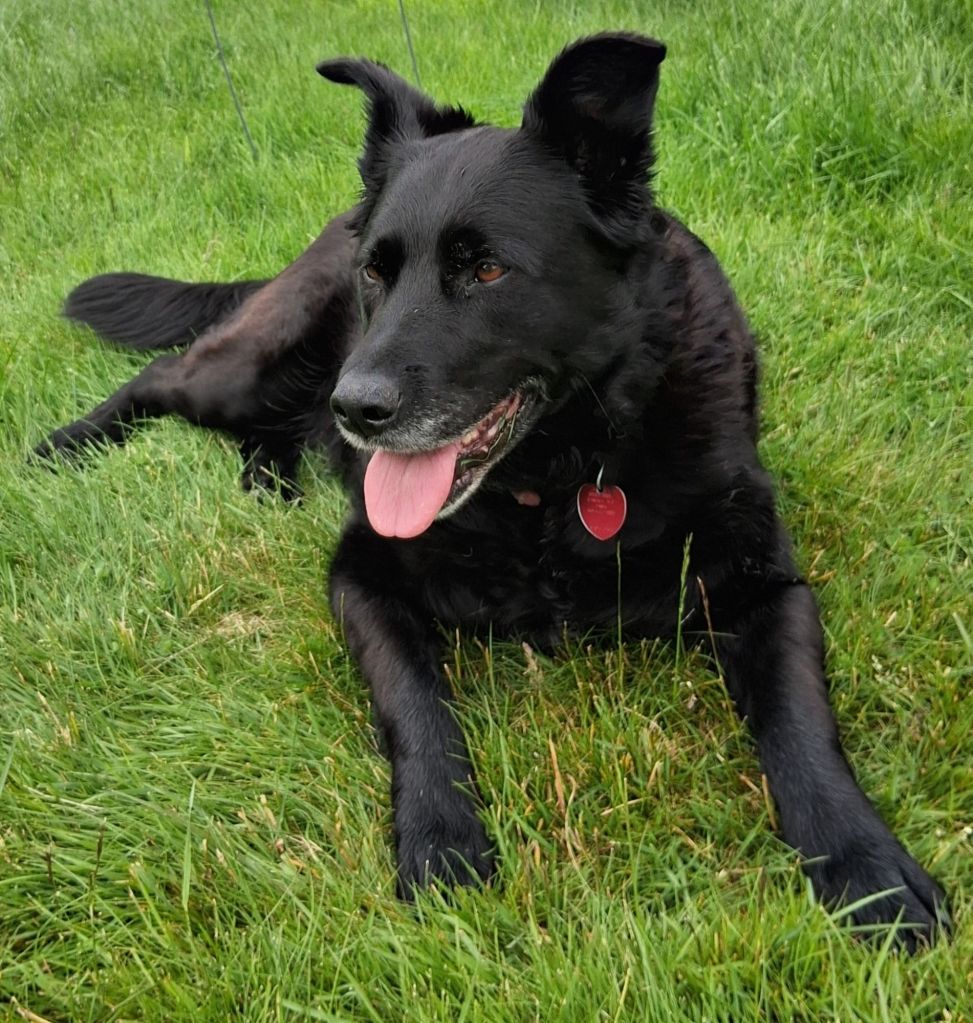
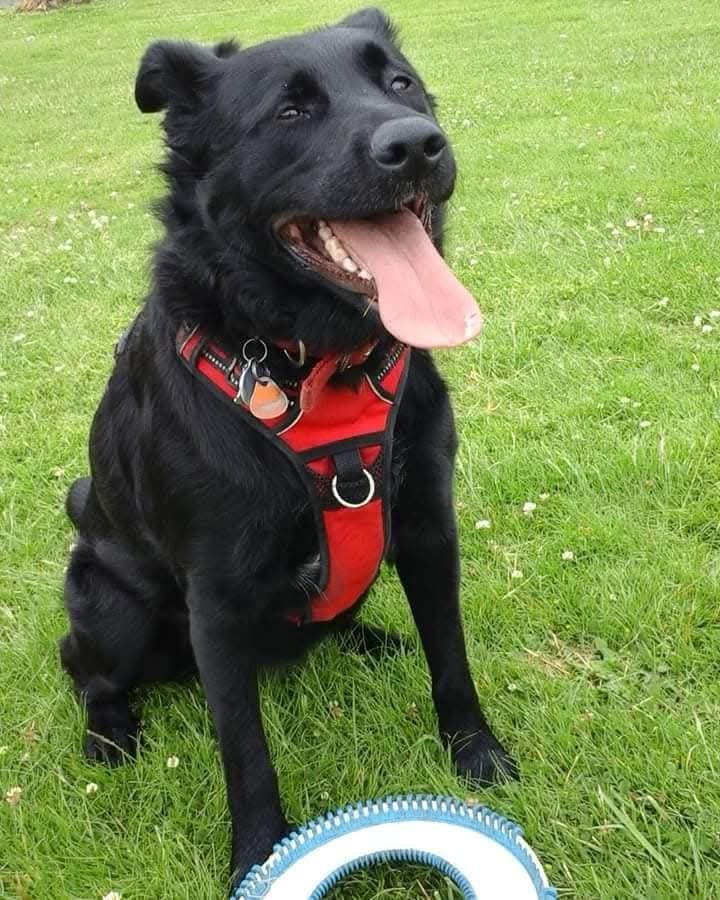
Let’s get one thing straight, okay? I, Kimber the Magnificent, am the true brains behind this entire book blogging operation. Sure, Her Royal Momness does all that “typing” and “reading” stuff requiring opposable thumbs. But without my strategic tail-wags, adorable puppy eyes, and sheer genius, her reviews would be nothing but plain text!
Kimber the Magnificent here. Jumping into summer and summer reading. Cuz summer is the lazy, daisy season. (Kimber: Not sure what that means. Methinks Mom just made that up. I prefer to think of summer as The Season of Endless Barbecues...)
“You’re gonna eat that?”
Wait. Where were we?
Oh yeah. Summer and summer reading. We talked about conquering your summer reading list the other day. One of us thought we oughtta clarify that the last thing Mom and I want on our summer plate is a reading list that feels like homework. So if your “summer reading” includes Russian literature that’s as dense as a pea soup fog or has books with plots so thick you could pave roads with ’em, you’re doing it wrong.
No idea what that means, spake I, Kimber the Magnificent. But Mom is crowing about “Hoo-ray for June!” So “June” must be a good thing, right? Especially if “June” comes in Filet Mignon, medium-well, wrapped in bacon and all juicy and yummy and…
Wait. Where was I?
Oh yeah. June. And reading.
Well. Today you’re in for a treat, Cupcake. Cuz today I’m gonna give you a rundown on how this June reading thing works in my house. Like this:
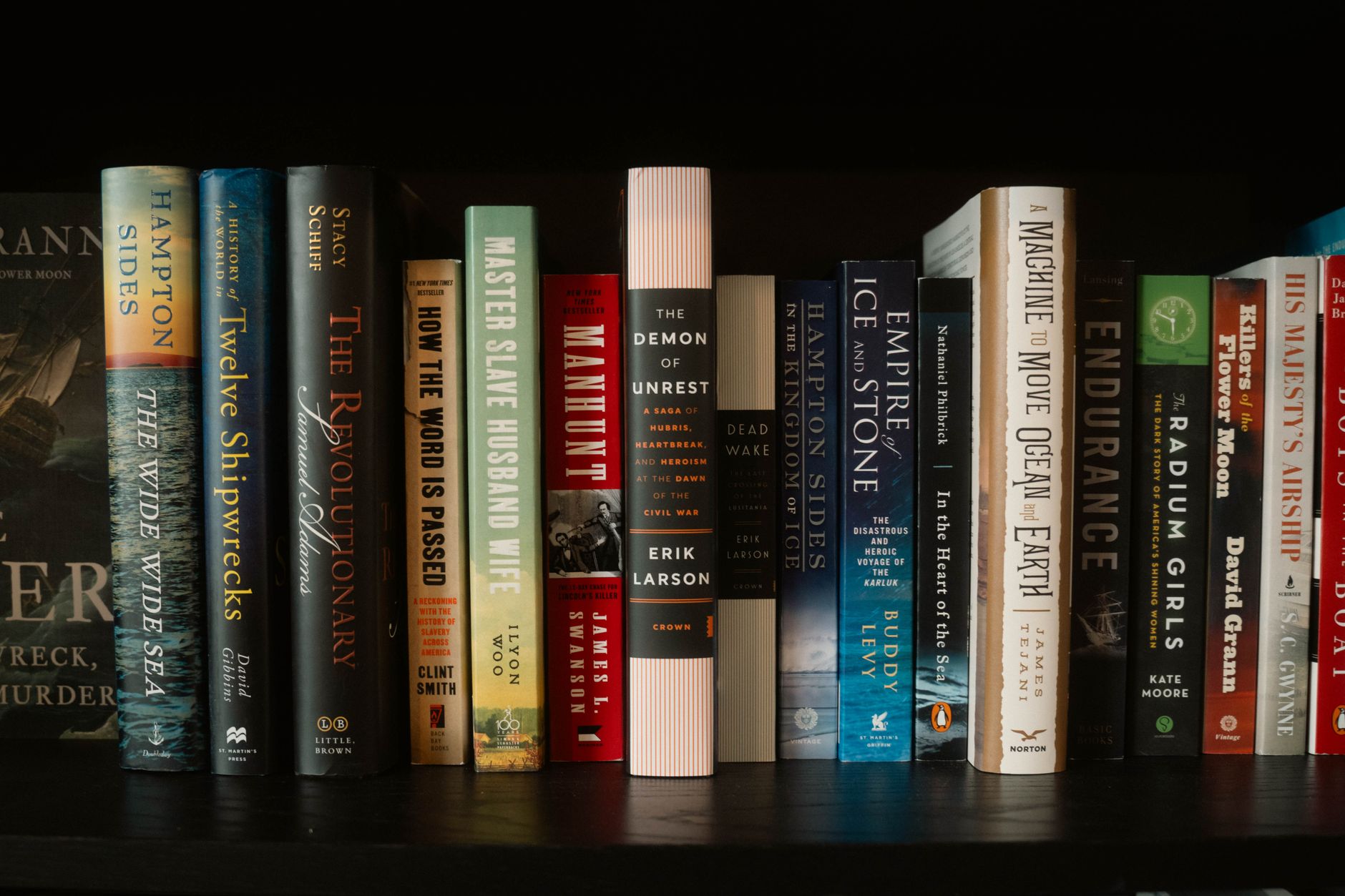
Oh boy! Oh Boy! Oh boy! Today we’re highlighting two of my favorite words: FREE and BOOK! No. Really. This list includes 16 apps and websites where you either create a free account to download books for free, can download unlimited audio and ebooks free for a limited time, or just read for free, period. Hi, Libby.
Sound good? Great! Grab the nearest fork and let’s dive in:
Know the feeling? You’re skipping merrily along. Loving a new book. Buried in an engaging, entertaining story with top-notch writing. You feel like you’re on a first-name basis with most of the characters. Would love joining them for a hot cuppa and a good chat. Or invite them over for dinner.
Then, all of a sudden, the book winds down. The story concludes. The characters resolve whatever they’re resolving. Or not.
But one way or another, the book ends.
You sigh. Because, why wouldn’t you? You’ve been carrying these characters around in your head for… hours. Days. Maybe weeks. Or more. You’re so invested in these characters and their lives that leaving them feels… sad. Like you’re saying goodbye to dear friends. And closing that last page?
Double sigh.
Because you wished it would never end.
And have you noticed? A good book always ends too soon. Always.
Mom distinctly recalls one of the first books that ever evoked this feeling. She was in the fourth grade. Or maybe it was the third? Like, back when dinosaurs roamed the earth. The book was Born Free: A Lioness of Two Worlds by Joy Adamson. True story of Elsa, an orphaned lion cub. Elsa was raised by humans who loved her enough to set her free.
Others (most are fiction. Non-fiction titles are noted with “NF.”):
1. Black Beauty – Anna Sewell
2. Where the Red Fern Grows – Wilson Rawls
3. Peter Pan – J.M. Barrie
4. The Silver Brumby – Elyne Mitchell
5. Through Gates of Splendor – Elisabeth Elliot (NF)
6. At Home in Mitford – Jan Karon
7. Because of Winn-Dixie – Kate DiCamillo
8. Island of the Blue Dolphins – Scott O’Dell
9. The Christmas Box – Richard Paul Evans
10. A Tale of Two Cities – Charles Dickens
11. Les Miserables – Alexandre Dumas
12. Charlie and the Chocolate Factory – Roald Dahl
13 & 14. Brighty of the Grand Canyon, King of the Wind – Marguerite Henry
15. A River Runs Through It – Norman Maclean
16. A Tree Grows in Brooklyn – Betty Smith
17. Waking the Dead – John Eldredge (NF)
18. Christy – Catherine Marshall
19. The Robe – Lloyd C. Douglas
20. Where the Crawdads Sing – Delia Owens
21. Keep Walking, Your Heart Will Catch Up – Cathay Reta (NF)
22. A Year in Paradise – Floyd Schmoe (NF)
23. The Applause of Heaven – Max Lucado
24. Walking Home: Common Sense and Other Misadventures on the Pacific Crest Trail – Rick Rogers (NF)