


She Couldn’t Look Away
By: K.L. Kaane (Indie author, 2026)
Genre: Fiction/Psychological thriller
Pages (Print): 401
Via: Product Purchase
Staged crime scenes. Unsolved disappearances. Anonymous warnings. Witness intimidation. Rushed cremations. Patterns. Narrative. Control. A locket. Small town secrets. Rapacious reporters. An abandoned Lexus in a high school parking lot. Another missing girl. Collective denial. Willful blindness.
Suspicion and fear loom over Summit Falls, Utah like twin storm clouds. Because Summit Falls is a town where the elephant in the room is so big, everyone prefers to stare at the wall rather than notice the pachyderm perched by the front porch. It’s a town where truth is a quiet guest, and the locals prefer silence and acceptance over conversation and questions. It’s also a place where trust is placed “in white coats and calm voices”; where “we” is everyone’s favorite word. Except when it’s not.

Because you don’t ask questions in Summit Falls. Even when another teenaged girl has vanished. But when Ainsley Crow turns up dead, the explanations come too quickly. Too easily.
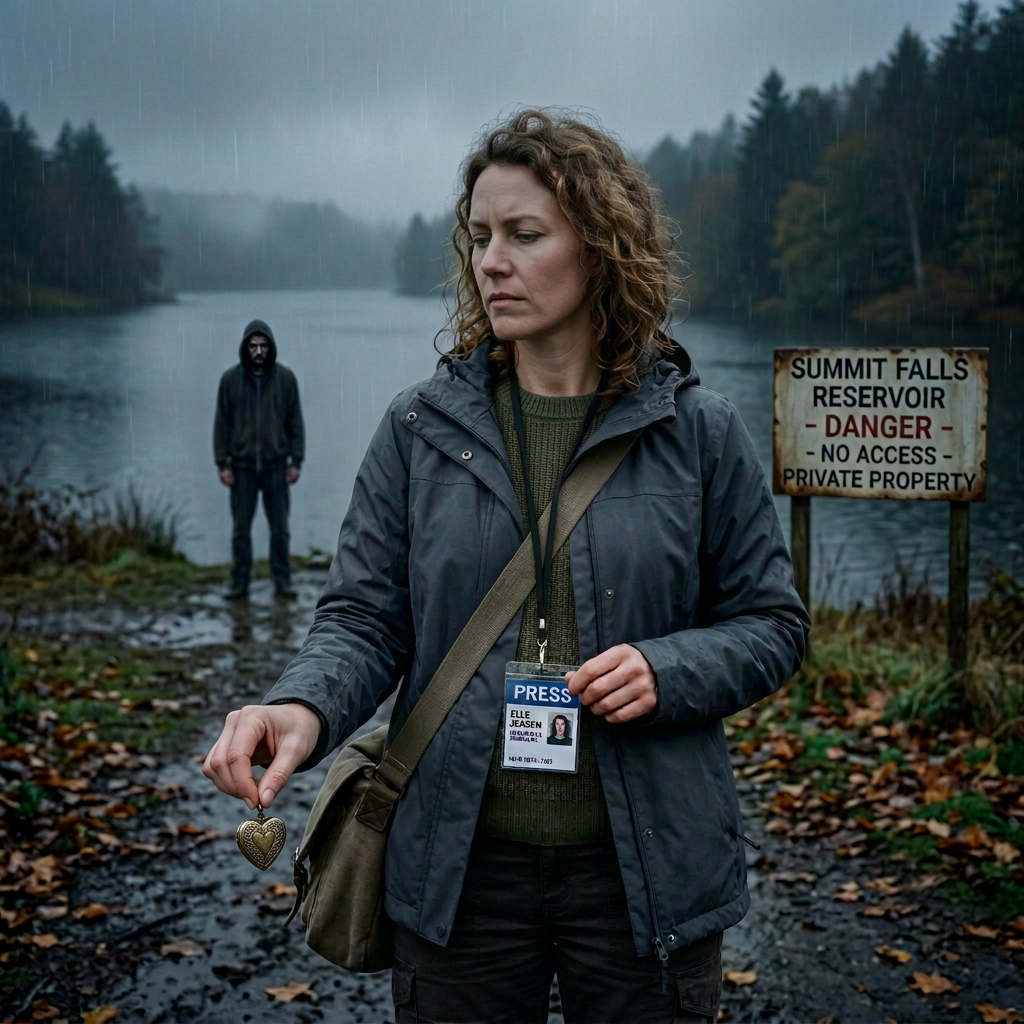
Elle Jensen isn’t convinced. An investigative reporter, Elle has returned to her hometown as a substitute Journalism teacher. She discovers Ainsley’s abandoned Lexus hidden near the high school. Hears whispers about another girl whose death was never fully explained. And realizes that someone is watching her. Elle can’t help wondering: Why are three deaths being called accidents before Summit Falls has even seen a complete report?
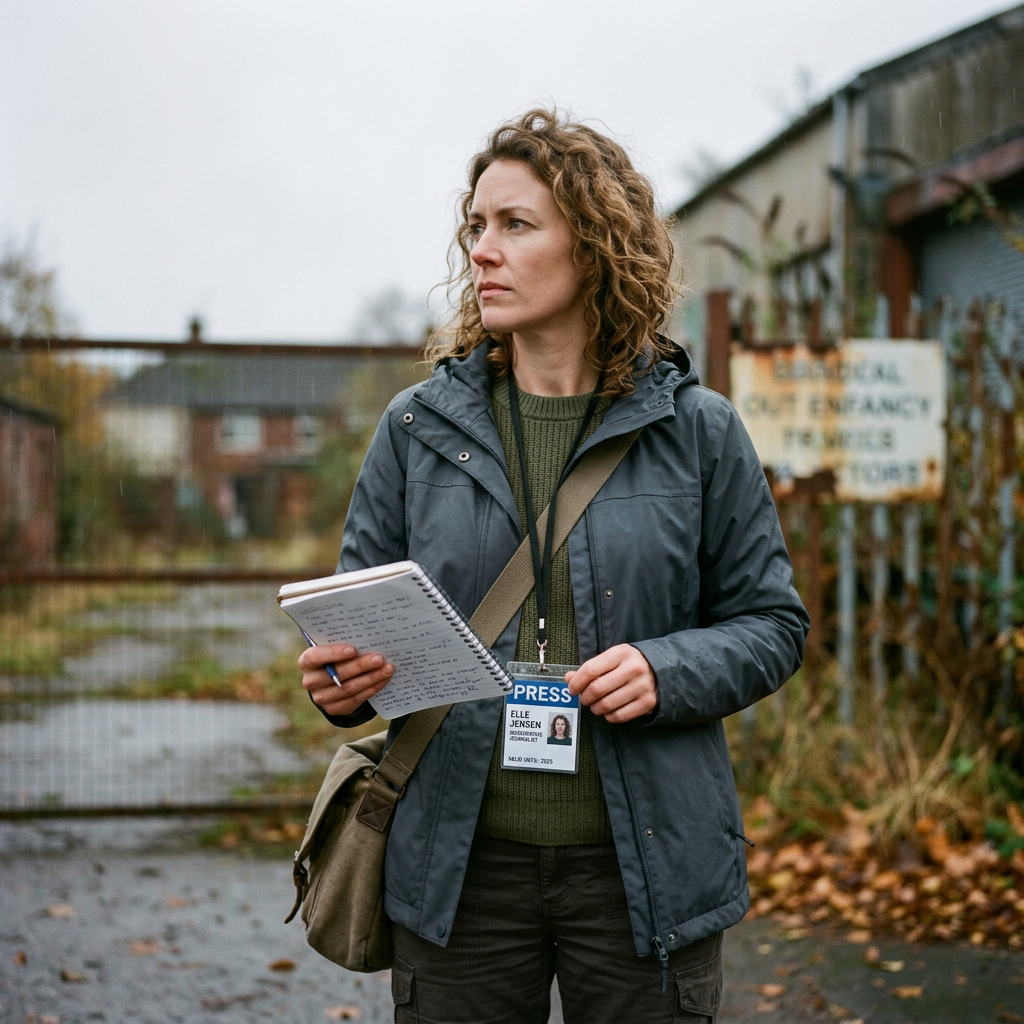
The deeper Elle digs, the more Summit Falls changes around her. Shadows stretch a little too long. Smiles fade a little too fast. You can’t shake the feeling that the town isn’t populated – it’s occupied. Locals possess a practiced pleasantness that feels like polyester – synthetic and manufactured. Like the entire town is holding its breath in a suffocating wait for the silence to break. Because grief has a way of resurfacing. Especially when the past “refuses to stay quiet.” Meanwhile, a respected sheriff, a trusted doctor, grieving families, frightened students—everyone seems to know a piece of the truth, yet no one is telling the whole story. Elle wonders what’s true vs. what’s being sold?
But the more Elle investigates, the more someone needs her to disappear.
Our Take
Holistically, this is a thoughtfully composed and engaging read where readers can fall into the story head-first. Small‑town secrets meet high‑stakes suspense — and the truth is closer than you’d expect. Steadily building momentum like Secretariat rounding the first turn in the Belmont Stakes, the plot takes you from suspect to suspect to head-scratching puzzlement to revelation. The Prologue grabs you by the windpipe. Slides its fingers down your throat. And tenses in subsequent chapters, taut as a piano wire.
Moving forward, the author conducts a silent chess concerto on paper. Each chapter is a deliberate move, each pause a feint. When the king is checked, is it game over or time for another game board? (Keep an eye out for more.)
Issues
She Couldn’t Look Away reflects skill and creativity. But this book has some issues regarding character development, dialogue, narrative arc, formatting, and the over-use of one-sentence or one-word paragraphs.
For example, some characters crash into the narrative without being properly introduced. It’s like they’ve been launched into the story by a trebuchet. Example: “Abby” in chapter 64. She isn’t identified as “Mrs. Davis,” the coach’s wife, until Chapter 68. She’s also straight out of central casting. Other characters like Mason Bingham or Brindley wander into the story like a ship seeking harbor without a chart, making it difficult for readers to drop anchor. Characters like Sheriff Blake, Doctor Champlain and FBI Special Agent Gary Cook? Their entire personalities could fit on a single Post-it note.
The dialogue is often crisp and sharp. But it sometimes strains credulity. Like the conversation between Mrs. Davis and “The Deacon” (sometimes “the deacon”) in chapter 67. Alexa may talk like that. Most normal people don’t. Meanwhile, the narrative arc alternates between lithe as a cheetah and choppy as rough water.
The print version has some issues with formatting related to spacing and paragraphing. Basic punctuation – dropped commas, periods, misplaced quotation marks – could use some attention. But these are minor and don’t detract from the overall read.
The pacing has plenty of energetic, march-like momentum. Deploying a few longer, more languid sentences could give it a more natural, lyrical cadence. And while the text often reads like a series of quick, sharp snapshots, some blending of those frames would create a smoother, more cinematic flow.
As with another Kaane novel, the over-use of one-sentence or one-word paragraphs becomes as predictable as a metronome. Dialing it back would make the remaining instances land harder, feeling less like sandpaper on fresh skin.

Additionally:
- Occasional cracks in logic. Example: How can Haley spot a ring on some dude’s finger when he’s wearing gloves (Chapter 70)?
- Regarding Elle Jensen, for someone who’s allegedly substituting for a Journalism teacher out on maternity leave, Elle spends little to no time in the classroom. (Side note: Elle shares a surname with a main character in Kaane’s Bear Lake series. Coincidence or something else?)
- FBI Special Agent Gary Cook’s one-liners, delivered sotto voice, underestimate the audience’s ability to navigate the subtext independently. (We don’t need you to tell us what to think or how, Agent Cook. Thanks anyway.)
- Unnecessary and confusing backtracking. Like in Chapter 80, which loops back to Sheriff Blake and Doctor Champlain heading to the Davis barn after the missing girl in question has already been found – in Chapter 75.
- Elle’s omnipresent notebook gets redundant after a while. It starts sounding like a page out of a Nicholas Sparks tearjerker. Or an American Express commercial.
- Dramatic conclusions are highly directed. There’s little to no room for readers to step into a more active role.
- Some chapters could use a little more meat on their bones. For example, chapters 34, 35, 38 and 44 are about one and a-half pages each. They could use another cheeseburger and a milk shake.
- The story too often tries to spell out exactly how readers should feel or respond to big moments instead of trusting them to connect the dots themselves.
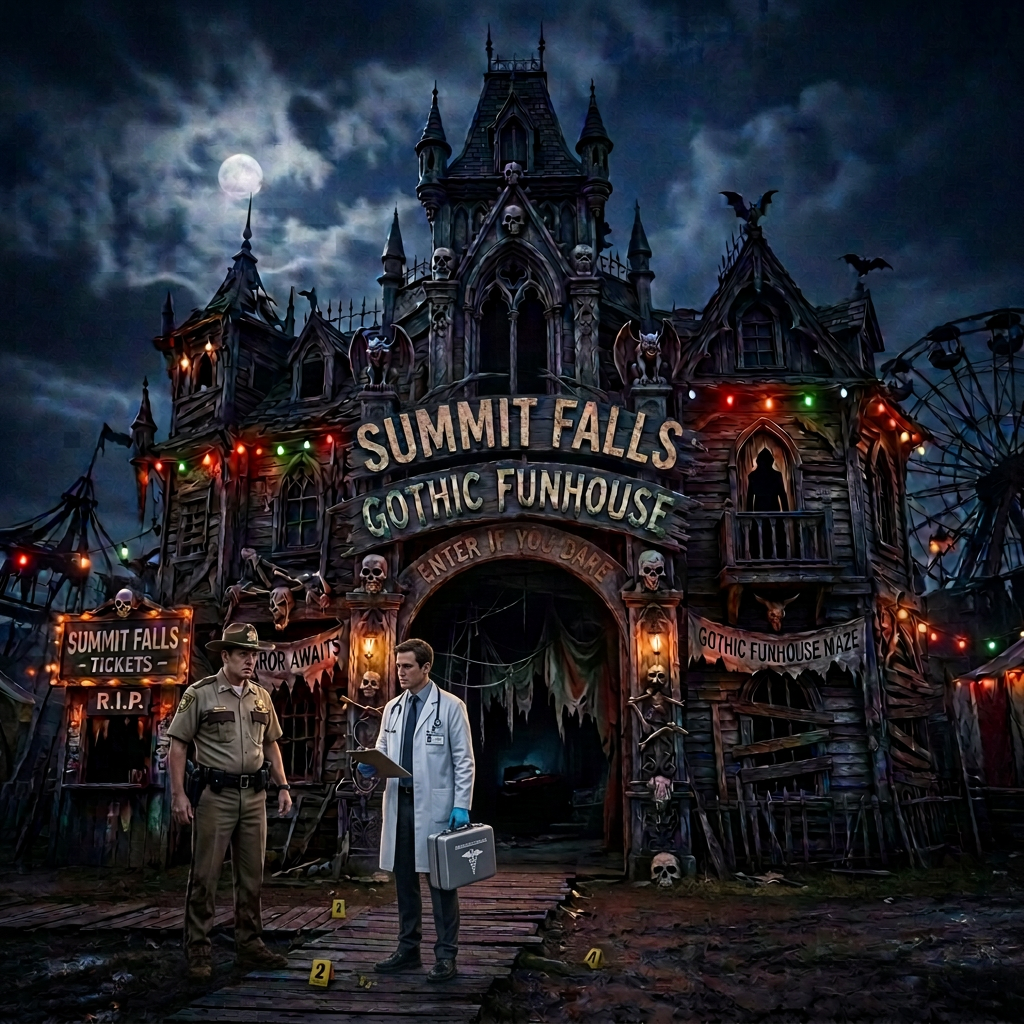
These issues can be easily rectified with another coat of polish. In the meantime, this is an engaging, entertaining read. It delivers a luminously brooding and richly atmospheric vibe. Think trip through a gothic funhouse. Captivating. But with teeth. And you never know what lurks behind the next door.
The Bottom Line
While She Couldn’t Look Away has its shining moments and shows plenty of heart, it’s somewhat hampered by the issues noted above. The main cast feels a bit flat and predictable.
Still. She Couldn’t Look Away is an ambitious effort with sturdy bones. There’s genuine talent here. With another trip through the Editorial Department and some structural tightening and skeletal strengthening, this work could be every bit as good as C.J. Box or J.A. Vance.


