Pages & Paws

Writing, Reading, and Rural Life With a Border Collie


Leave a comment

Four Tips (and one secret) for Finding Your Writing Voice

If you’ve been around the writing world for any length of time, you’ve probably heard endless minions talk about “finding your writing voice.”  Maybe you’ve wondered what that means.  Or how to go about it.  Here are some tips:

First off, your writing voice is yours.  This may seem self-evident, but it’s amazing how many “writers” try to mimic someone else rather than work at developing their own style or “voice.”  Don’t be one of them.

Secondly, think of your writing “voice” as you would your spoken voice.  How do you sound aloud?  What kind of tone, accents, or intonations do you use?  Do you declare, express, state, proclaim, utter, whisper, echo, articulate or assert?  How do you express yourself verbally?  Is your voice strong, sweet, gentle, smooth, raspy, high-pitched or low?  Evaluate your writing “voice” in the same terms.  Whatever you do, be genuine.

Thirdly, realize that “finding your writing  voice” isn’t like searching for the lost city of Atlantis.  It’s not all that mysterious.  Jettison the cagey cloak-and-dagger stuff, and practice.  It’ll come.
Continue reading


Leave a comment

Set Apart: Compelling reads vs. Ho-hum?

Ever picked up a book, read through several pages or chapters and… gave up?

I brought home a book from the library the other day, the fifth in a series by a favorite author.  I read the first four books cover-to-cover in a day or two a piece.  But there was just something about the fifth book… it was like trudging through a muddy bog in hip-waders under a hundred pound pack in a monsoon at midnight.  Blindfolded.  I plowed through several chapters, teeth gritted, hoping it would get better.  Gather steam.  Engage.  It didn’t.  I eventually plopped that puppy into the library book return drop, half-read.  Try as I might, I just couldn’t “get into” that book.

Was this due to an implausible, incoherent plot?  Cardboard characterizations?  Stilted dialogue?  A pace that moved as fast as a gimpy snail in a molasses factory?  Maybe it was bad lighting, a serious dent in my private chocolate stash, or the weather?

What is it about a book or an author that disappoints?  Derails a story?  Elicits yawns, shoulder shrugs or a No-Doze run?  What do you look for in a good book – one that hooks you from the first paragraph, grabs you by the jugular, slides down your esophagus, invades your whole body and being and won’t let go until you finish it?  Compelling reads are out there.  What sets a compelling read apart from a ho-hom one?

Chime in with your comments. Don’t forget to include a favorite and a few primo titles you’d like to recommend.


1 Comment

What Makes You a Writer?

If you want to be a writer, write. Write and write and write. If you stop, start again. Save everything that you write. If you feel blocked, write through it until you feel your creative juices flowing again. Writing is what makes a writer, nothing more and nothing less.

– Anna Rice

WordsDo you feel better about yourself when you’re working on an unfinished writing project, making progress?  When you’ve bagged that elusive characterization?  Nailed down that clever dialogue or subtle pacing?  I do.

A Day Without…

Someone once said, “A day without orange juice is like a day without sunshine.”  I’ll go one further: “A day without writing is like a day without orange juice.”  And by “writing” I don’t mean 10,000 words every day (although if you can manage to whip that out on a regular basis, you may qualify for Guinness Book of World records status.)

 I mean have you:

– Jotted down a story idea or character?

– Outlined a new novel?

– Worked on your latest manuscript?

– Journaled?

– Blogged?

– Whipped a troublesome storyline into shape?

– Crashed through that writer’s block?

– Polished up a chapter?

– Re-worked some rickety dialogue?

What Doesn’t Count

Tweeting and updating your Facebook don’t count.  That’s not “writing,” – as in, expending mental energy and effort to create and communicate something unique, fresh, and relevant.  Tweets and Facebooking, although they have their place, are to writing what Cliff’s Notes are to Shakespeare.  There’s a difference.

If you need a friendly jump-start, check out:

34 Writing Tips That Will Make You a Better Writer

Seven Writing Tips from Stephen King

Books Are a Writer’s Best Friend 

(more on this in an upcoming post.)

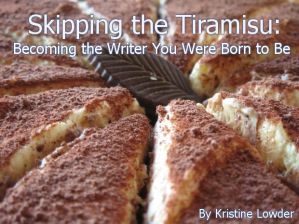
Skipping the Tiramisu Cover 3To reiterate Rice, “Writing is what makes a writer, nothing more and nothing less.”  To explore the concept more fully, grab a free copy of my ebook, Skipping the Tiramisu: Becoming the Writer You Were Born to Be.

How have you worked on your writing this week?

***

Up next: How to Avoid Sneezing By Email and Books to Grow By.


Leave a comment

One Hundred Years From Now…

Pen and bookAmerican economist James M. Buchanan won a Nobel Memorial Prize in 1986 for his work on pubic choice theory. Two questions he reportedly asked job candidates were:

“What are you writing that will be read 10 years from now? What about 100 years from now?”

Has anyone ever asked you that? How did you respond?

Continue reading


Leave a comment

Cards, Letters, and Lost Pennies

Now that some holiday dust has settled, let me ask you something: Did you send fewer Christmas cards this year than last?  Did you receive fewer?

Maybe it’s the writer in me, but I’m one of what appears to be a rare-and-vanishing-breed of old-fashioned souls who starts banging out a family Christmas letter each year just after Thanksgiving.  Sometimes before.  December without an annual family newsletter is like peanut butter without jelly, Aspen slopes without snow, Lucy without Ethel… Well.  You get the idea.

Do you write letters anymore, even around the holidays?  How many people read your letters?  While I’m clunking merrily away on the keyboard, I’m fully aware that my year-end wrap-up of family news, vacation photos, sports events and special occasions will most likely be speed-read by a select few and ignored by most.  How come?  Here are a few possibilities:

Continue reading


Leave a comment

‘Desper-Doodles’ and Snake Oil Salesmen

“Never mistake motion for action” – Ernest Hemingway

If you’ve been at the writing trade for longer than twenty minutes or so, you’ve probably noticed the “desperate doodlers.”  These are the writer wannabees who are so desperate to break into print that they’ll pitch their work to anyone and everyone, even paying a third party to get “published.”  Those who continuously stoop to submitting anything, anywhere, with little to no regard to a publisher’s reputation, accessibility or integrity aren’t Real Writers so much as they are Desper-Doodles.  They’re dying to pad their scanty resumes with “publishing credits” from any Tom, Dick, or Harry that comes along and says “I’ll take that.”  (This can actually hurt you in the long run if you make it a habit.)

Heads Up

A word of clarity here: In the publishing world, “small” or “independent” doesn’t necessarily mean poor quality or ill repute.  Just because a publisher or literary outlet isn’t a household name doesn’t necessarily mean it’s a boiler-plate, fly-by-night outfit.  But it might.  So heads up: “Come one, come all” publishers who prey on inexperienced novice writers are a dime a dozen.  They’ll publish anything and everything, usually for a fee, regardless or quality or merit.  Some of these “publishers” make a living at predating on hapless souls who are willing to sell their firstborn for a chance to see their name in lights.

Look before you leap.  You may get your work “published” with some of these “snake oil” publishers, but good luck on finding anyone who’ll actually buy your book – let alone fall in as a loyal reader.

***

Have you had an experience with a publishing “snake oil salesman?”

What did you learn?


1 Comment

When Is “Free Speech” Not?

WordsWhat is “free speech”? If you’re a writer, you’ve doubtless come across the concept. What does it mean? How does it look? Act? Behave?

For some, “free speech” means “we all have the right to an opinion and to voice that opinion.” Nobody can tell anyone “what they can and can’t say.”  No constraints. No boundaries. Anything goes. Period.

Get Lost, Cookie?

Example: I came across a political blog the other day that contained profanity and some tasteless content, IMHO.  What was said wasn’t an issue; it was how it was said. The blog owner asked readers to comment, share links, etc. Out of respect for my readers, I politely suggested that I’d be happy to do so if the language could be cleaned up. Wrapped in the Bill of Rights and “free speech,” the response was basically, “Get lost, cookie.”

So I did.

When Is “Free Speech” Not?

Realizing that people have a right to disagree and disagree passionately on a variety of topics, I wondered at what point, if any, is “free speech” not free? Is there a point where it becomes costly?

Tossing that out to others recently, the question generated quite a discussion – and many different views and nuances.  Here’s some feedback. “Free speech” may not be “free” when it:

  • Compromises your integrity.
  • Violates your standards.
  • Is intentionally offensive.
  • Your choice of words or writing style is so abrasive that your point gets lost in the flames.
  • All semblance of responsibility and professionalism are jettisoned.
  • Is used to excuse limited vocabulary or lazy writing.
  • Costs you readers.

Someone also pointed out that “free speech” is not an absolute right. “You can’t yell ‘Fire!’ in a crowded theater,” he said.

In America, we hold the Bill of Rights dear. The right to free speech, including the right to disagree, is held dear. And they should be. But are writers held to a higher standard? When? Does that depend on context? Audience? Or something else?

Where do “free speech” and responsibility intersect? Or do they? Does it matter?


Leave a comment

Caring, Crafting, and Rekindling

Remember my post from awhile back, Andretti, Puccini, and 120 MPH With Your Hair on Fire?  (That’s okay. I’ll wait.)

Anyway, that post talks about  re-charging the ‘ole creative batteries and caring for your heart.  About slowing down long enough to drink in some beauty. Share grace.  Rekindle your sense of awe and wonder and delight.  I offered some suggestions.

So writer, how are you caring for your craft by caring for your heart today?

If you’re running around at warp speed, may I make a suggestion – and offer an example? Take a few moments to slow down and enjoy this cool video by The Piano Guys,  (It’s even better if you know the lyrics.) 

Be refreshed. 

Then share with a friend who could use a boost. Tell us who you shared it with in the comments section. You might also let us know how you care for your craft by caring for your heart:


Leave a comment

Books to Grow By – How Many Have You Read?

Books to Grow By:

As mentioned last time, if you’re a writer, chances are you’re also a reader.  So let me ask: have you seen the list of Books Everyone Should Read that’s floating around Facebook?  Did you read it?

I did.  IMHO, several of the titles were questionable and many books that should’ve been included weren’t.  So I came up with my own list: Books to Grow By.

Classic, contemporary, and just for fun titles are included, plus some surprises.  (Note: With apologies to high school English teachers everywhere, I simply cannot abide ‘stream of consciousness’ prose a la Faulkner, which is one reason The Sound and the Fury isn’t included.  Ditto Wuthering Heights and The Great Gatsby.)  You’ll also find evidence of my conviction that some of the finest literature ever written can be found in the Children’s Section.  Selections appear in alpha order by title.

Click here for the full list. :)

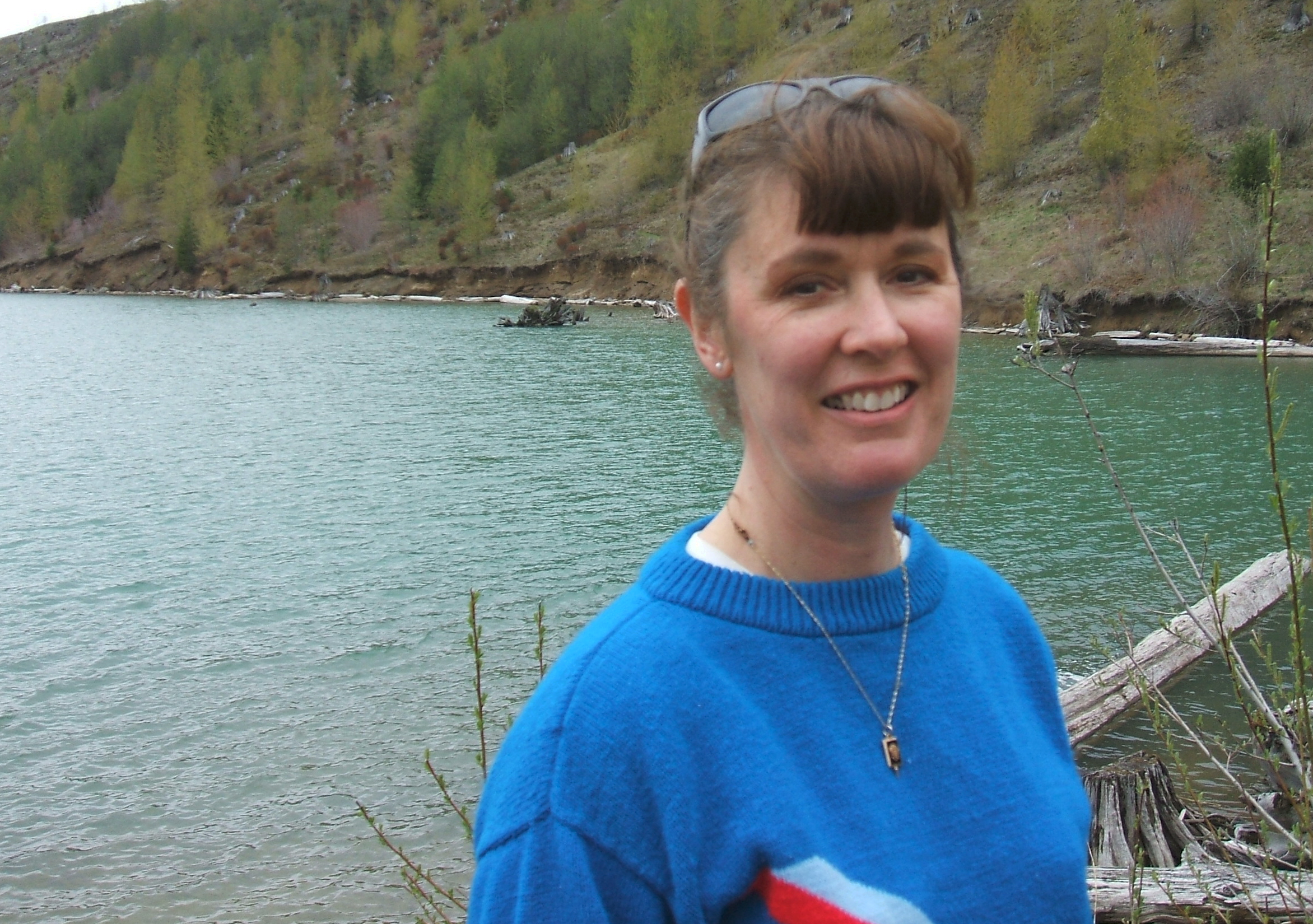
Coldwater Lake - Mount Saint Helens.

How many of these have you read?  What are YOUR favorites?  Share in the comments section.


Leave a comment

38 in 10

“If you want to be a writer, you must do two things above all others: read a lot and write a lot…reading is the creative center of a writer’s life…you cannot hope to sweep someone else away by the force of your writing until it has been done to you.” – Stephen King

38 in 10
35 booksThirty-eight in ten. It wasn’t easy. But it was fun!

My local library wraps up its annual Adult Winter Reading Program today  The program began in January and ran for ten weeks. My goal? To read and/or listen to 40 books during that time frame. I came within a cat’s whisker of reaching it.

“How in the world did you manage 38 books in ten weeks?” you ask. “Where’d you find the time?”

Truth? I didn’t “find” the time. I made it. Yep, it’s amazing what you can accomplish if you bring a book to the dentist or doc’s office. Read at red lights. While standing in line at the post office or grocery check-out. Hibernate in the library. Listen to a book on CD while doing dishes. Double as a Himalayan hermit.

Why Is That?
The best writers I know are also voracious readers. Why is that? Check out some of the links below to find out.


What were the best books I read/listened to in the last ten weeks? Answer: It depends.  Mostly on which day you ask.  Those that were particularly memorable, in no particular order, include:

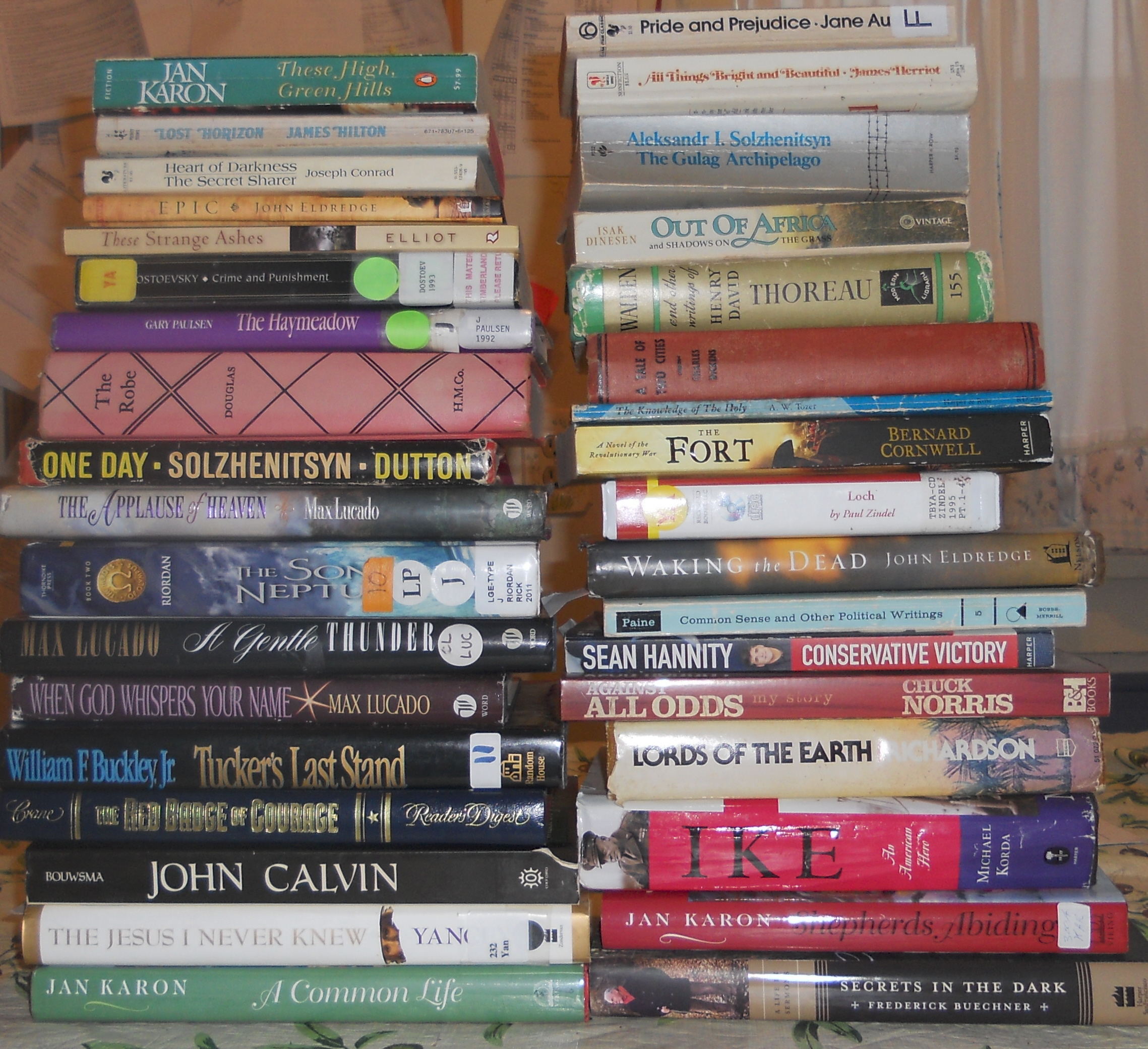
These Strange Ashes – Elisabeth Elliot
Epic- John Eldredge
Dawn – Elie Wiesel
Tuck Everlasting – Natalie Babbitt

Noteworthy: Cry, The Beloved CountryAlan Paton; Zia – Scott O’Dell; War Horse – Michael Morpurgo.

Kristine Lowder and friendAre you a writer who reads? Share some of your favorite titles below.

Up next: Books to Grow By. How Many Have You Read?