
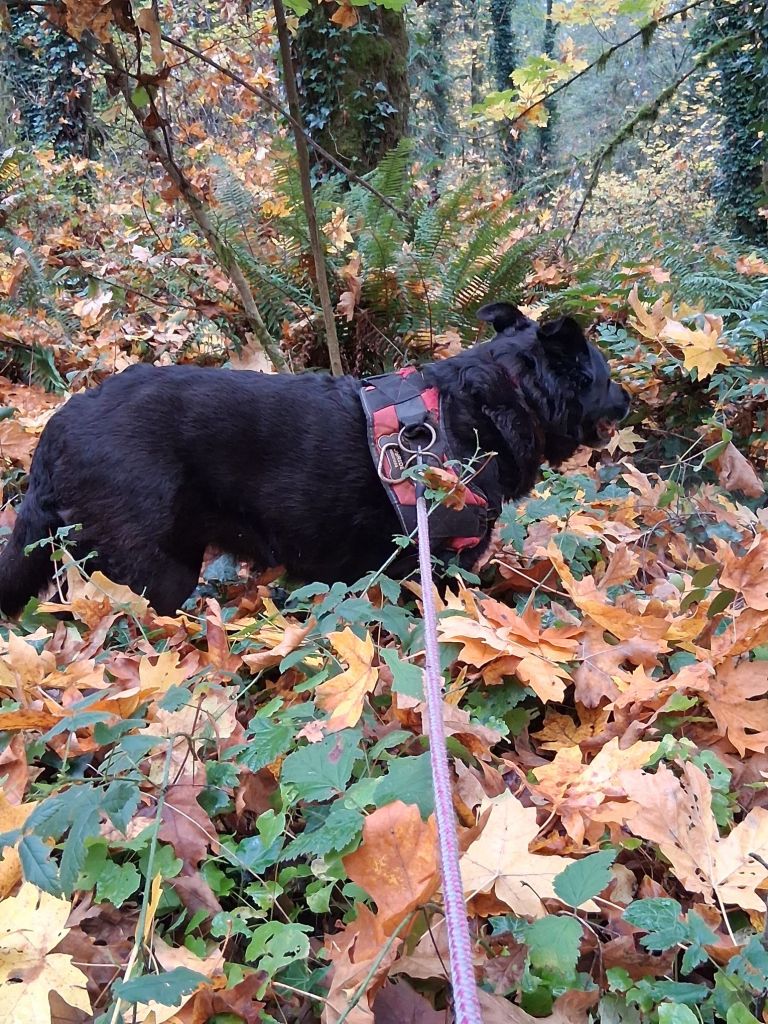
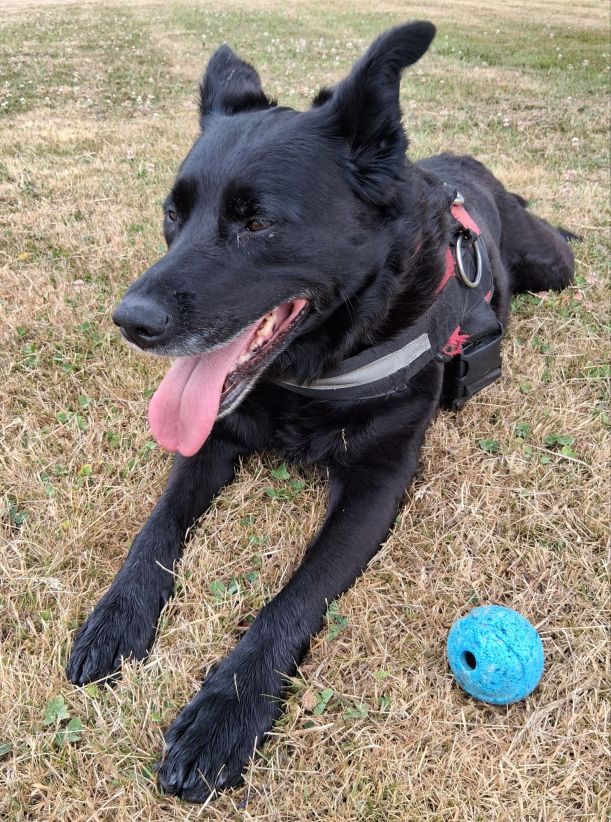
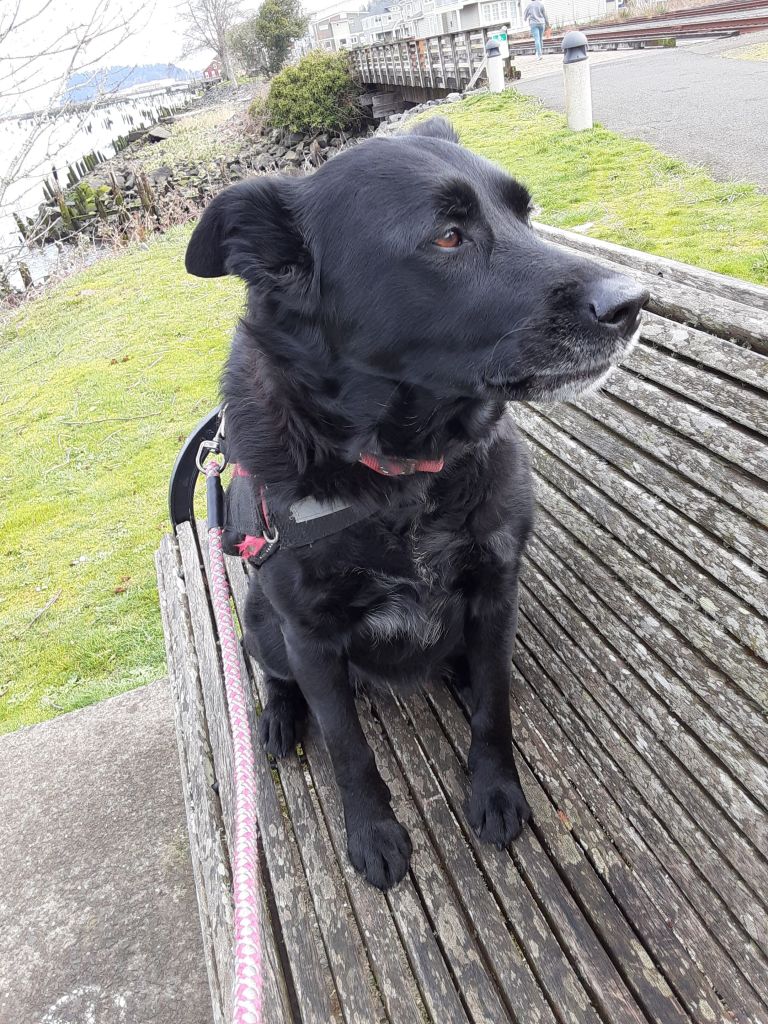
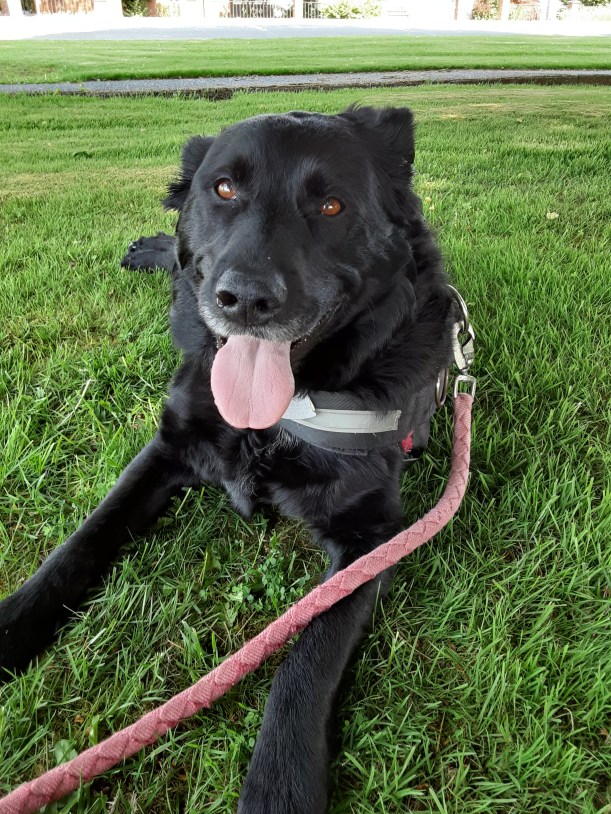
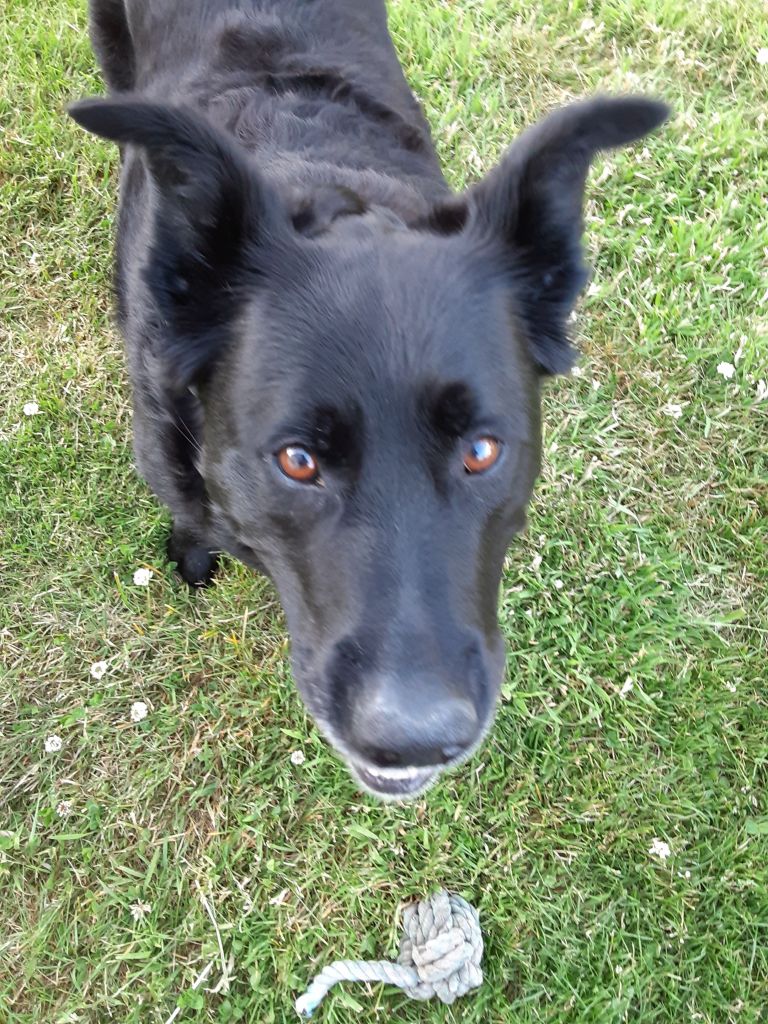
Kimber here. Telling you about my new bestie, Sunny the Amazing Golden Retriever. She’s beautiful. Brave. Brilliant. Clever and resourceful. Did I mention we’re twins?
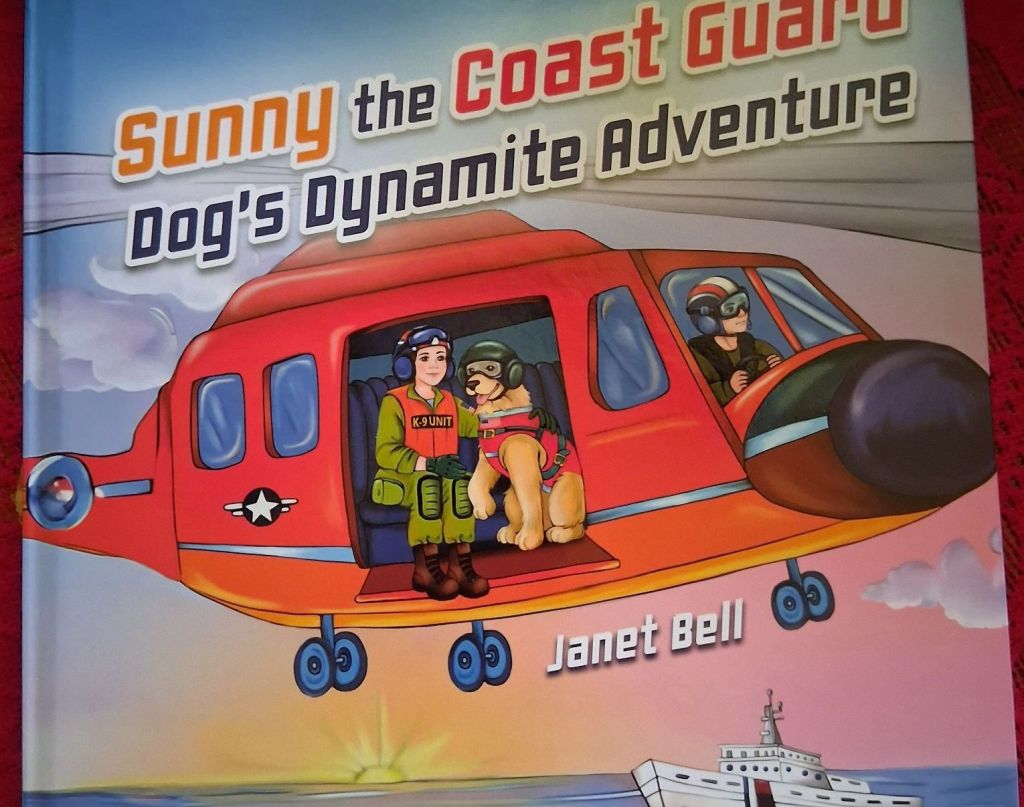
Yes siree, Lassie! Sunny is one sharp doggie. (Almost as sharp as me. Almost.) Ya see, Sunny’s a Coast Guard explosives detection dog! You get to meet Sunny and her hooman, USCG Officer Thomas, in Janet Bell’s splendiferous new book for the little’uns, Sunny the Coast Guard Dog’s Dynamite Adventure.
The 4-1-1
Sunny lives in animal shelter until she’s adopted by a little boy named Jamie. Jamie’s mom, Officer Thomas, works at the Coast Guard station. Sunny wants to work, too. Turns out Sunny has a knack for “nose work.” Sunny is trained to sniff out explosives. And she’s pretty darn good at it! Through all the training, Sunny is treated with kindness, patience and positive reinforcement as she learns to be a “dog detective.” Her superpower is her nose. And riding in helicopters! Oh yeah.
It takes patience, determination abd courage to master new skills and discover her talent for sniffing out explosives. But Sunny has the heart of a champion and rises to the challenge of protecting others.
Mom: Kinda reminds me of another sweet furry face we all know and love.
Then some bad guys try to escape Officer Thomas. But there’s no escaping Sunny’s incredible nose! Kimber: “Prepare to be boarded” is something you sooo do not want to hear from the USCG if you’re up to no good. Just sayin’.
Talk about a fun book! Sunny has it all: Action. Adventure. Brisk pacing. Bright, vivid illustrations that practically leap off the page. An engaging, intriguing story that’ll grab you from the Intro and not let go until the end. It includes fascinating information about how explosive detection dogs and their hoomans train. And of course, our heroine: Sunny the Coast Guard dog. She’s smart. She’s savvy. She’s PAWsome.
Kimber: No doubt we’re related.
We loved this book! Inspiring and entertaining, Sunny is also educational without feeling like school. This book will certainly appeal to young children and those who love them. It would make a welcome addition to any home or classroom library.
Note: One of us wasn’t feeling so great when this book arrived in the mail. We waited awhile to open it. And guess what? Reading this beautifully illustrated, eminently engaging story brightened our day right away. We loved it! You will, too. Besides. Who can resist that cover art?

Our Rating: 4.5











 Pages & Paws