Pages & Paws

Writing, Reading, and Rural Life With a Border Collie


Leave a comment

‘The Race’: A Mother’s Day Story

Mother’s Day. Flowers. Breakfast in bed. Lunch out. Hallmark. Thanks. Honor. Appreciation. Warm memories and lots of love. And it should be. But “Mother’s Day” isn’t  a happy occasion for everyone. For some, “Mother’s Day” is bittersweet. An emotional mine field.  The Race is part of my Mother’s Day story.

***

“You don’t have to get up this early” she smiled as I stumbled out of my bedroom. “I can drive myself. You go back to sleep.”

It was four o’clock in the morning. Saturday morning. The night before Mom casually asked if anyone wanted to join her at her marathon run on San Diego’s Coronado Island. Her 6:00 a.m. run. No takers. Until I decided to surprise her with my groggy appearance and volunteer my chauffeur services. “Mom’ll get a kick out of that” I said to myself. She did.

It was still dark as we backed out of the driveway and nosed the car onto the west bound lanes of Interstate 8. Our Dodge Aspen quickly devoured the miles between our El Cajon home in East San Diego and the coastal community of Coronado.

Mom and I chatted as the sun crept over the horizon, sharing a comfortable conversation that glided easily from one topic to the next. We talked about my plans to transfer to Biola University the next fall, her work as a secondary education supervisor at San Diego State University. My younger brother’s trumpet lessons. My older brother’s track meets. My kid sister’s gymnastics.  Dad’s golf game. It all seemed so natural. So permanent.

 Traffic was light and we made good time, crossing the cobalt blue girders of an all-but-deserted Coronado Bay Bridge shortly after five in the morning. We had plenty of time to find a parking spot and get Mom warmed up for the competition. Mom pre-registered for the marathon weeks ahead of time to avoid the long lines at the Walk On registration table. She was like that. Organized, thorough, efficient. Able to plan far ahead.

Mom finished her final stretches and headed to the starting line, chipper and cheerful. Yawning, I gave her a hug. “Good luck, Mom. See ya at the Finish Line.”

Mom flashed one of her effervescent smiles and waved. “Here we go, honey,” she beamed, “see ya later!”

The starter’s gun barked and Peggy Naas was off, her red hair blowing in the crisp morning breeze. I ambled back to the car to snooze while she churned out 26.3 miles on foot.

 I don’t know why I decided to drag myself out of bed and join Mom that day. Maybe I wanted to repay a small fraction of the unconditional support she had always given me. Maybe I wanted to be there for her, like she was for me. In my corner, cheering me on. Maybe I just wanted some time alone with Mom. If I had known how short our remaining time together would be, I would’ve wanted more.

Lowders & Naases

It was Easter, a few years later. I graduated from college, married, and settled in the Los Angeles suburbs. My younger brother was in college in Florida. My older brother was working for a local aerospace firm. My kid sister was completing her senior year of high school. That April weekend was the first time my family had been together in almost a year.

Mom met us at the door when my husband and I arrived, glowing with the effervescent smile that was her trademark. Chris and I were surprised to find her leaning on a walker. “From my surgery,” she explained, “the doctor suggested I use it until I get my strength back.”

 We had no idea. She wasn’t ill or ailing. The doc pronounced her “healthy as a horse, with the heart and lungs of a 30 year-old” at her last annual check-up. “All that running,” he winked, “exercise keeps you young!”

Not wanting to worry us, Mom and Dad decided not to tell us about her surgery a few weeks previously—or its cause—until it was finished and she came home from the hospital. I was startled, a little annoyed.

“We didn’t tell Kurt either” Mom said, referring to my younger brother. “He had final exams and didn’t need anything else on his mind while trying to cram.” Typically Mom, she reasoned that there was “no sense” worrying her kids with some “minor surgery” when “you couldn’t do anything about it” anyway. “Besides,” she beamed, “I feel great!”

Well. She may have felt—and looked—like a million bucks, but I had some questions. “Uh, Mom, you wanna run that part about the `minor surgery’ by me again?”

Mom patiently explained that she had awakened one morning without any feeling in her legs. Minutes later, she was paralyzed from the waist down, unable to move. Neurological and other tests revealed a tumor on or in her spinal column. A 90% blockage, the tumor obstructed the free flow of spinal fluid, hence the sudden paralysis.

“We caught it just in time” the specialist said. “A 100% blockage would’ve meant total—and irreversible—paralysis.” Scalpels removed the bulk of the tumor, but since spinal surgery is considered extremely delicate and dangerous, the surgeon wasn’t chancing total removal. Radiation treatments were ordered to eliminate what the knife had missed.

 Hearing “tumor” and “radiation,” my jaw hit the floor. Still smiling pleasantly, Mom quickly assured me that the biopsied tumor was pronounced “benign.” Doctors issued a 90% chance of complete recovery, with no serious side effects. We believed them. We believed her. So we shoved the precarious past aside and enjoyed our Easter weekend as if it was our last. It was April 1984.

Wikimedia

When the phone call came from Dad in early June, I knew I was in for a shock. He choked out the news in between sobs.

A neighbor arrived that morning to stay with Mom after everyone else left and Dad departed for work. Noticing Mom’s labored breathing, Miriam phoned Dad at work and then called the paramedics. They arrived within minutes and had Mom prepped for transport to the hospital when Dad arrived, tearing home with the speed of panic. Mom was gone before the ambulance left the driveway.

She was 54.

Oddly enough, her death wasn’t related to the tumor. It was caused by a pulmonary embolism resulting in cardiac arrest.

Her sudden, unexpected death threw our lives into emotional chaos, plunging us into the rabid smelting fires of bereavement. It was a grinding, wrenching process. A season of winter. Strained smiles, sleepless nights. Groping for answers that didn’t come.

One of my most vivid recollections during this time was how loss can be helped or hindered by the Pavlovian responses I rendered as did some family and friends. While my husband and I spent that first Mom-less week in El Cajon, I had the oddest sensation of deja vu. Buried in the newspaper or pouring myself some milk, I would look at the clock and think, “Where’s Mom? Haven’t seen her all morning.” I’d scan kitchen and living room aimlessly, mind refusing to accept the obvious.

 “Oh yeah,” I rationalized, “Mom’s out for a run. She’ll be back by lunch.” I slumped into our brown leather recliner and awaited her return. My mind would sometimes take 15 or 20 minutes to catch up with reality. Sleep and song offered sole relief to the omnipresent ache of my waking hours.

After the June memorial service, my husband and I returned to Los Angeles and attempted to resume “ordinary” life. But what did “ordinary” mean, minus Mom?

More than a year later, I half-heartedly opened my Bible to the Book of Job. “I have taken away,” He whispered from Job 1:21, “now see what I will give.”

I’d almost forgotten. “One moment, please” the lab technician said while she tracked down the results from my pregnancy test. We put off starting our family until my husband finished law school, a five-year endeavor. I nervously awaited the test results.

Wikimedia Commons

“Congratulations,” the tech said, “you’re pregnant!” I thanked her for the news and hung up the receiver. I glanced at my wall calendar, seeing it for the first time: June 7, 1990. It all came flooding back. The positive test results arrived six years after Mom left us, to the day.

“The Lord gave and the Lord has taken away,” Job echoed, “blessed be the name of the Lord.” Seven months later the obstetrician’s first words were, “It’s a boy!” followed by, “He has red hair!” Just like Mom.

We were expecting our second child a year later. My pregnancy was confirmed and we were given an October 1 due date. Then I approached the Throne of Grace with a special request. “Lord,” I began, “our times are in Your hands. It would mean so much to me if You would see to it that this baby is born on Mom’s birthday.”

I went into labor on October 11. Our second son was born the evening of October 12, which would’ve been Grandma Naas’s 62nd birthday.

I still miss Mom, especially when my boys see her photo and ask, “Who dat?” My eyes sometimes mist and my voice may catch as I explain that the slender, red-haired lady in the picture is “Mommy’s Mommy, your Grandma Peggy.”

Frozen in time, she smiles that effervescent smile from behind a photo frame. My boys would’ve loved her. And she them. But she finished her course before they were born; introductions must wait.
Hoq River Sunset 2I sometimes see her in my mind’s eye, red hair drifting in the breeze, waiting for me on the other side. Smiling, cheering me on. Rooting for me as I run my race. “See ya later!” Mom used to say, and from our separate sides of the tape we both look toward the Finish Line.


Leave a comment

Like Nailing Jell-o to a Tree

Back when I was young and foolish – about twenty minutes ago – I thought that the best way to vaunt into the exclusive echelons of “serious writer” status was to mimic The Best.  So I tried sounding like John Steinbeck, Anton Chekov, Charles M. Schulz and company.  Well, okay.  Maybe not Chekov.  But every time I sat down to write I’d think, “How would Hemingway or Jane Austen or Charlie Brown approach this?”

Continue reading


4 Comments

Missing It

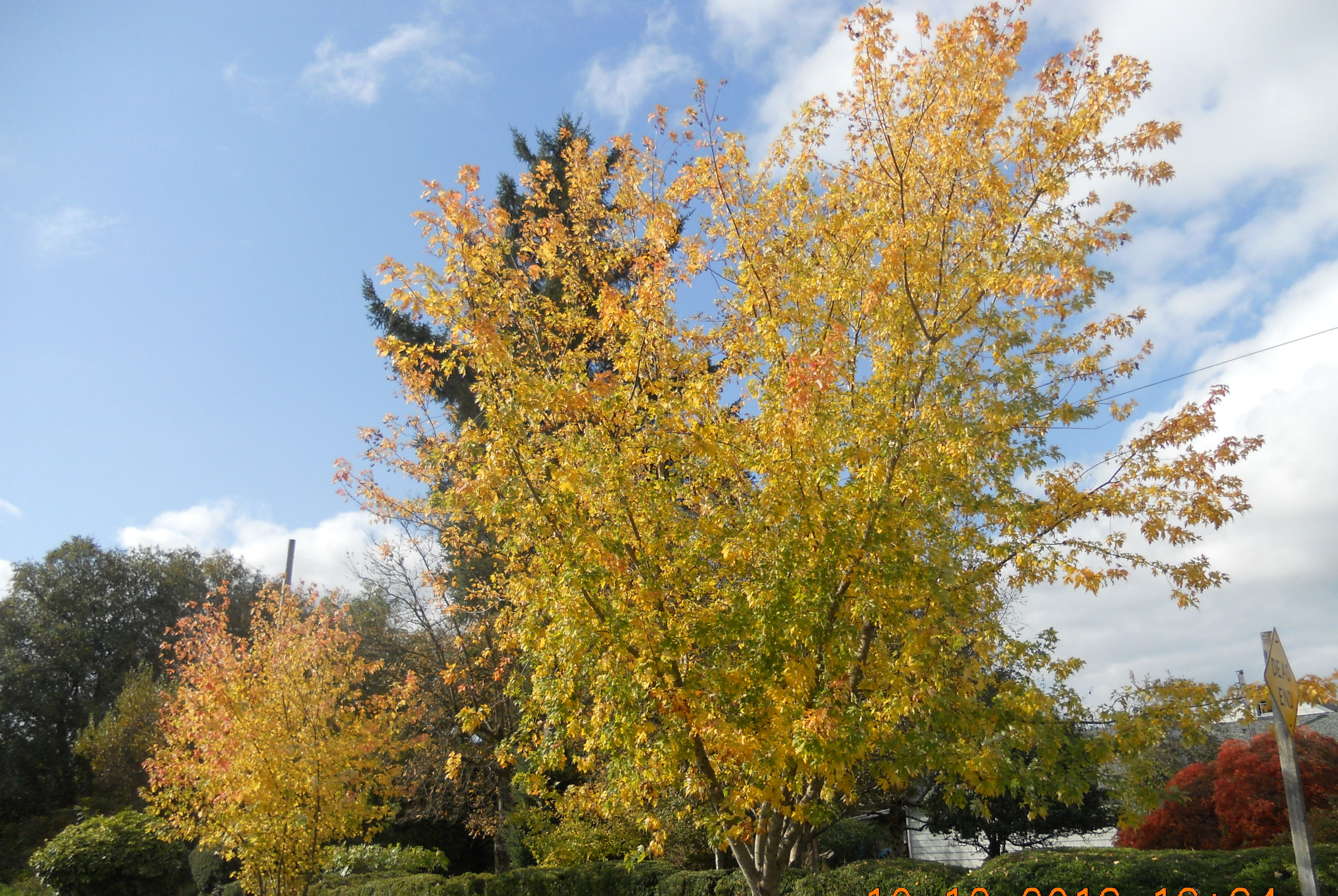
Fall trees and skyI missed it. One day summer was in full swing. I blinked. Next thing I knew, frost feathered rooftops, morning air started biting and pachyderm clouds unpacked for the duration.

Last year fall seeped off the calendar and slid into winter when I wasn’t looking. And I missed it.

When You Aren’t Lookin’

It’s easy to say that same about writing, isn’t it?  It’s easy to slide your writing into “some day.” To get buried in busyness and say, I was going to finish chapter twenty-two today, but…  I haven’t actually finished the proposal… I planned to, but… thought about… talked about… considered… maybe…

Yet that novel, article, short story, essay, or writing contest entry sits on your desk or in your hard drive unfinished, poised to creep out the back door when you aren’t lookin’.

Bristling

Some writers I know practically bristle with ideas and unfinished manuscripts.  They talk about writing in sentences punctuated with “one of these days” and “when I get around to it” or “when it slows down some.”

Truth?  If you’re waiting to write until you “have time” or life “slows down some,” chances are you never will.

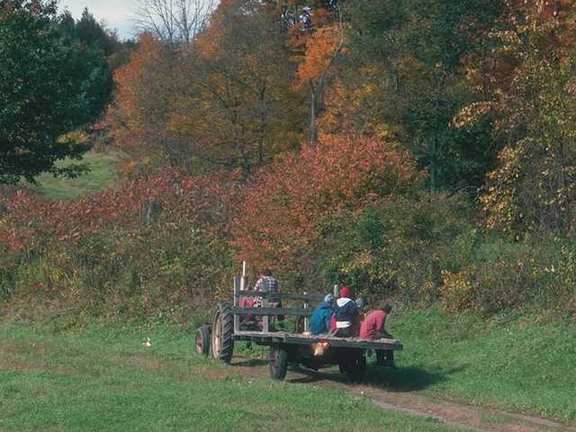
Tractor in fall fieldDon’t Miss It

Don’t do what I did last fall. Don’t dump your writing on the back burner and leave it there untended. Don’t miss another favorite, be it book, author, opportunity or idea. And don’t feel like you’re alone. I learned from last year.  I re-arranged some priorities. Set some new boundaries. I’m working on some new writing projects.  And believe you me, fall has taken on a whole new flavor this year – much better than last!

What’s “missing” in your writing? How can you get it back? 


Leave a comment

‘Where Do We Get Such Men?’: A 9/11 Reflection

Where do we get such men? They leave this ship and they do their job. Then they must find this speck lost somewhere on the sea. When they find it, they have to land on its pitching deck. Where do we get such men?

– RAdm Tarrant, The Bridges at Toko-Ri

It wasn’t unique. In fact, the day was pretty average. Gallons of sunshine poured out of a flawless cyan sky. Temperatures hovered in the nineties. The long, lazy days of summer washed into another school year like breakers on Sunset Beach.

September 11, 2011 was pretty much like every other Indian Summer day in southern California. In other words, it was perfect –  until two airliners tore into the Twin Towers.

And America has never been the same.

Amid the shock, confusion and grief, one of the things that stood out on that terrible, tragic day was the quiet. Southern California skies usually hum with air traffic of all shapes of sizes, everything from thundering commercial flights to lumbering military cargo planes to the mosquito whine of light aircraft. It was all gone on September 11, 2001, when the FAA ordered all flights grounded. The result? A suffocating silence, terrible in its unnatural eeriness.

Remember?

Up to my eyeballs in homeschooling and other pursuits, I didn’t even hear about the tragedy until my husband came home from work that evening. “Turn on the news” Chris said when he walked through the door.

“Why?” I said. “What’s going on?”

“Didn’t you hear?”

“Hear what?”

“About New York?” Blank stare.

“Two planes flew into the Twin Towers this morning.”

“Was anyone hurt?” I thought he meant two Cessnas with engine trouble. Someone got confused. Strayed off the flight plan. An accident.  Minor injuries and a dozen insurance claims. Turning on the TV, it took about five seconds for reality to sink in.

Years Later

Years later, this event and those responsible are household words. Oceans of ink have been spilled and scores of song, words and commentary have been filed on the subject of 9/11. Documentaries have been produced. Testimonials shared. Solemn memorials observed. And we remember.

Many Americans set September 11 aside as a “day of infamy” – and something else. We mourn the lives lost. But we also remember the heroes. And in remembering,  we honor the sacrifices of first responders – law enforcement, firefighters, EMS, and scores of “ordinary” Americans who were anything but. We saw countless Americans  go above and beyond the call of duty to protect and serve others.

Remember the days that followed? The fund-raisers? The Red Cross blood drives? Prayer services? An entire country awash in a sea of stars and stripes?

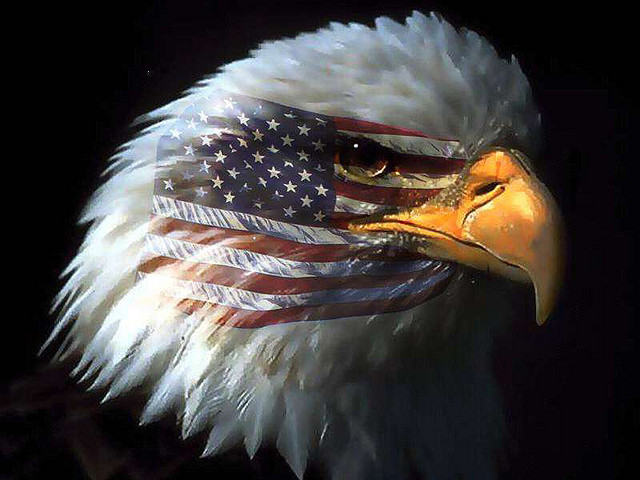
American Eagle and US FlagIt’s been a few year, but the events of that ‘Indian Summer’ day in September still reverberate. They aren’t quiet. They touched a chord.  For those who looked, the immediate aftermath of 9/11 showed America at her best: Generous. Selfless. Resourceful. Resilient and resolute. United. Uncowed.

The Bridges at Toko-Ri is set during the Korean War, but RAdm Tarrant’s question lives. We see answers every day if we know where to look.


2 Comments

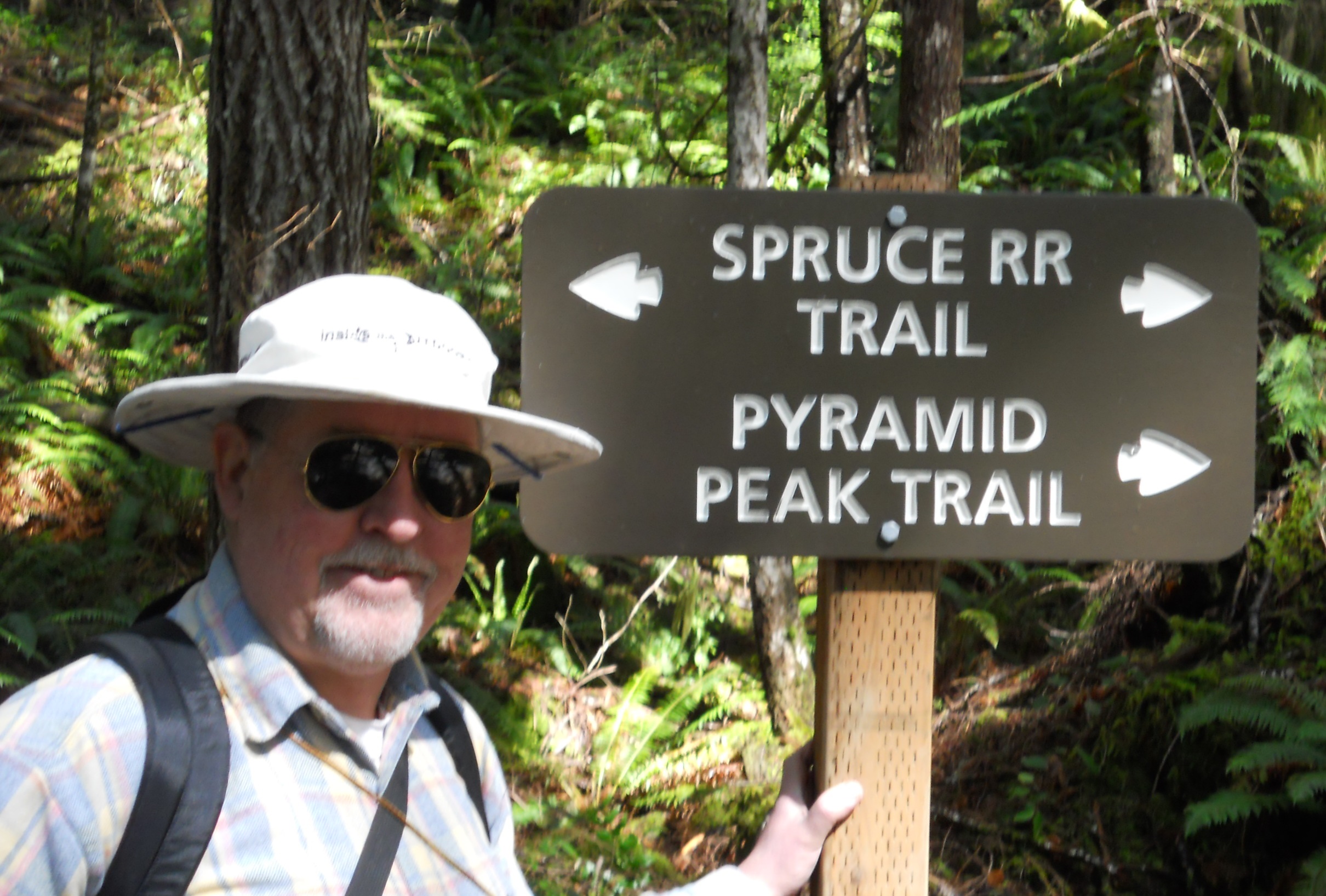
How A World-Class Acrophobic Survived Pyramid Peak (sort of) & Writing It Real

Disclaimer: I may have done some pretty stupid things back when I was young and foolish – like yesterday – but nothing like hiking Pyramid Peak. At least not in the last 10 minutes. (Kids, don’t try this at home.)

***

You know that saying about “There’s dangerous and doable and then there’s dangerous and stupid?” (If you’ve never heard it before, don’t worry. I just made it up.) Well, guess which category the Pyramid Peak hike fell into?

My husband, aka Snuggle Bunny, and I planned to do what we always do to celebrate our anniversary: hike the hinterlands. I mean, who needs romantic candlelit dinners and tiramisu when you can chug through every mosquito-ridden, rock-strewn traipse known to man in knee-deep mud and cushion your every fall with a nice, thick slab of granite while enjoying The Great Outdoors?

Pyramid Peak 2

Continue reading


Leave a comment

Cozy Quilts and ‘Cave-Dwelling Neanderthals’

It’s no coincidence.  The writing compulsion most often grabs me by the neck and shakes me till my teeth rattle when I’m surrounded by books.  For a writer, there’s something inspirational about a library.  Being in the massed presence of so many other authors is like snuggling under a cozy quilt on a snowy day.

Here in the warm embrace of some of my favorite dead people, I’ve engaged in an experiment: I’m re-reading some of my favorite stories from childhood. There’s something steadying and bracing about unearthing and enjoying a book that’s still in circulation some forty years or so after finding it the first time.  It’s like digging up a pot of gold or swan-diving into an Olympic-sized pool of Hershey’s chocolate with almonds.

It’s also kind of strange.

Continue reading


Leave a comment

Four Tips (and one secret) for Finding Your Writing Voice

If you’ve been around the writing world for any length of time, you’ve probably heard endless minions talk about “finding your writing voice.”  Maybe you’ve wondered what that means.  Or how to go about it.  Here are some tips:

First off, your writing voice is yours.  This may seem self-evident, but it’s amazing how many “writers” try to mimic someone else rather than work at developing their own style or “voice.”  Don’t be one of them.

Secondly, think of your writing “voice” as you would your spoken voice.  How do you sound aloud?  What kind of tone, accents, or intonations do you use?  Do you declare, express, state, proclaim, utter, whisper, echo, articulate or assert?  How do you express yourself verbally?  Is your voice strong, sweet, gentle, smooth, raspy, high-pitched or low?  Evaluate your writing “voice” in the same terms.  Whatever you do, be genuine.

Thirdly, realize that “finding your writing  voice” isn’t like searching for the lost city of Atlantis.  It’s not all that mysterious.  Jettison the cagey cloak-and-dagger stuff, and practice.  It’ll come.

Continue reading


Leave a comment

Set Apart: Compelling reads vs. Ho-hum?

Ever picked up a book, read through several pages or chapters and… gave up?

I brought home a book from the library the other day, the fifth in a series by a favorite author.  I read the first four books cover-to-cover in a day or two a piece.  But there was just something about the fifth book… it was like trudging through a muddy bog in hip-waders under a hundred pound pack in a monsoon at midnight.  Blindfolded.  I plowed through several chapters, teeth gritted, hoping it would get better.  Gather steam.  Engage.  It didn’t.  I eventually plopped that puppy into the library book return drop, half-read.  Try as I might, I just couldn’t “get into” that book.

Was this due to an implausible, incoherent plot?  Cardboard characterizations?  Stilted dialogue?  A pace that moved as fast as a gimpy snail in a molasses factory?  Maybe it was bad lighting, a serious dent in my private chocolate stash, or the weather?

What is it about a book or an author that disappoints?  Derails a story?  Elicits yawns, shoulder shrugs or a No-Doze run?  What do you look for in a good book – one that hooks you from the first paragraph, grabs you by the jugular, slides down your esophagus, invades your whole body and being and won’t let go until you finish it?  Compelling reads are out there.  What sets a compelling read apart from a ho-hom one?

Chime in with your comments. Don’t forget to include a favorite and a few primo titles you’d like to recommend.


1 Comment

What Makes You a Writer?

If you want to be a writer, write. Write and write and write. If you stop, start again. Save everything that you write. If you feel blocked, write through it until you feel your creative juices flowing again. Writing is what makes a writer, nothing more and nothing less.

– Anna Rice

WordsDo you feel better about yourself when you’re working on an unfinished writing project, making progress?  When you’ve bagged that elusive characterization?  Nailed down that clever dialogue or subtle pacing?  I do.

A Day Without…

Someone once said, “A day without orange juice is like a day without sunshine.”  I’ll go one further: “A day without writing is like a day without orange juice.”  And by “writing” I don’t mean 10,000 words every day (although if you can manage to whip that out on a regular basis, you may qualify for Guinness Book of World records status.)

 I mean have you:

– Jotted down a story idea or character?

– Outlined a new novel?

– Worked on your latest manuscript?

– Journaled?

– Blogged?

– Whipped a troublesome storyline into shape?

– Crashed through that writer’s block?

– Polished up a chapter?

– Re-worked some rickety dialogue?

What Doesn’t Count

Tweeting and updating your Facebook don’t count.  That’s not “writing,” – as in, expending mental energy and effort to create and communicate something unique, fresh, and relevant.  Tweets and Facebooking, although they have their place, are to writing what Cliff’s Notes are to Shakespeare.  There’s a difference.

If you need a friendly jump-start, check out:

34 Writing Tips That Will Make You a Better Writer

Seven Writing Tips from Stephen King

Books Are a Writer’s Best Friend 

(more on this in an upcoming post.)

Skipping the Tiramisu Cover 3To reiterate Rice, “Writing is what makes a writer, nothing more and nothing less.”  To explore the concept more fully, grab a free copy of my ebook, Skipping the Tiramisu: Becoming the Writer You Were Born to Be.

How have you worked on your writing this week?

***

Up next: How to Avoid Sneezing By Email and Books to Grow By.


Leave a comment

One Hundred Years From Now…

Pen and bookAmerican economist James M. Buchanan won a Nobel Memorial Prize in 1986 for his work on pubic choice theory. Two questions he reportedly asked job candidates were:

“What are you writing that will be read 10 years from now? What about 100 years from now?”

Has anyone ever asked you that? How did you respond?

Continue reading